Why is it called SUS Farms?
Because somewhere along the way,
traditional farming got rebranded as suspicious.
At Sus Farms, we think the modern food system has a funny way of naming things. Today, farming with massive amounts of synthetic chemicals, pesticides, herbicides, and fertilizers is called “conventional.” Meanwhile, farming the way humanity farmed for thousands of years — building healthy soil, working with nature, rotating crops, and raising food without drenching it in chemicals — is now labeled “organic.” Or worse… ‘sus.’ And honestly, that in itself feels a little suspicious to us. Somewhere along the way, natural became unusual. Simple became radical. Food grown the old way became the alternative. So we leaned into it. Sus Farms is about questioning what we’ve accepted as normal. It’s about growing real food in living soil, respecting the land, and remembering that the methods sustaining humanity for generations probably weren’t the crazy ones after all. If caring about clean food, healthy animals, healthy soil, and fewer chemicals makes us ‘sus,’ we’re okay with that.
But really
SuspiciouslySustainable.
Composted soil, drip lines on a timer, animals on rotation, cover crops in the off-season. The methods are old. Apparently they read as suspicious now.
But really
UnreasonablyOld-school.
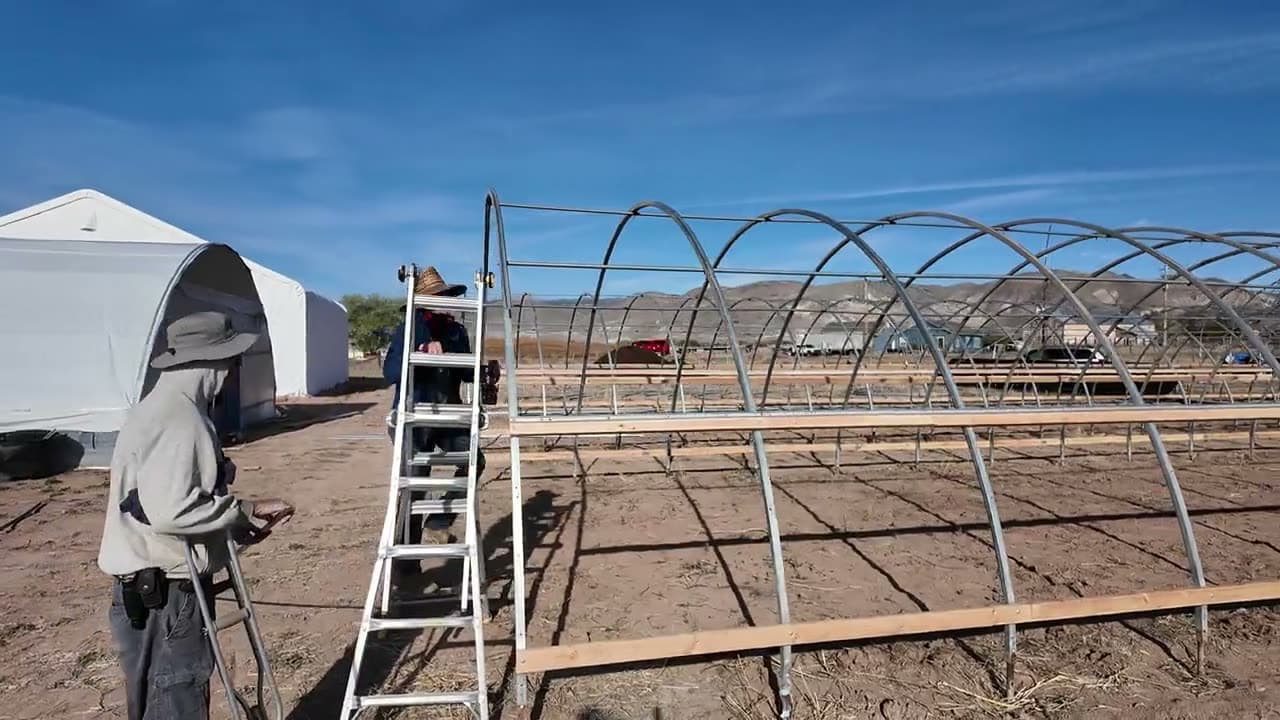
At Sus Farms, we combine time-tested growing principles with modern greenhouse technology to create a system that is both sustainable and efficient. By blending traditional farming wisdom with controlled environments, water-efficient systems, climate management, and thoughtful innovation, we’re able to grow healthier plants year-round while using fewer resources and minimizing waste. To us, the future of farming isn’t choosing between old and new — it’s taking the best of both.
The full word
StubbornlyHonest.
I farm the way the four generations before me farmed — growing a wide variety of food and raising much of what the family ate themselves. Gardens weren’t hobbies back then; they were a way of life. My family grew vegetables, preserved harvests, raised animals, and worked with the seasons because that’s simply how people fed themselves. They understood the value of self-sufficiency, healthy soil, and knowing exactly where your food came from. That mindset still shapes Sus Farms today: growing diverse, nutrient-rich food with methods rooted in practicality, stewardship, and generations of experience.
The animals
Names. Faces. Strong opinions.
These are the actual coworkers. Hover a card to bring it forward, click to flip and read what they have done lately. Most of it is on the record. Some of it is alleged.
Click any card. They love it. Probably.
The long view
Five generations on the same red dirt.
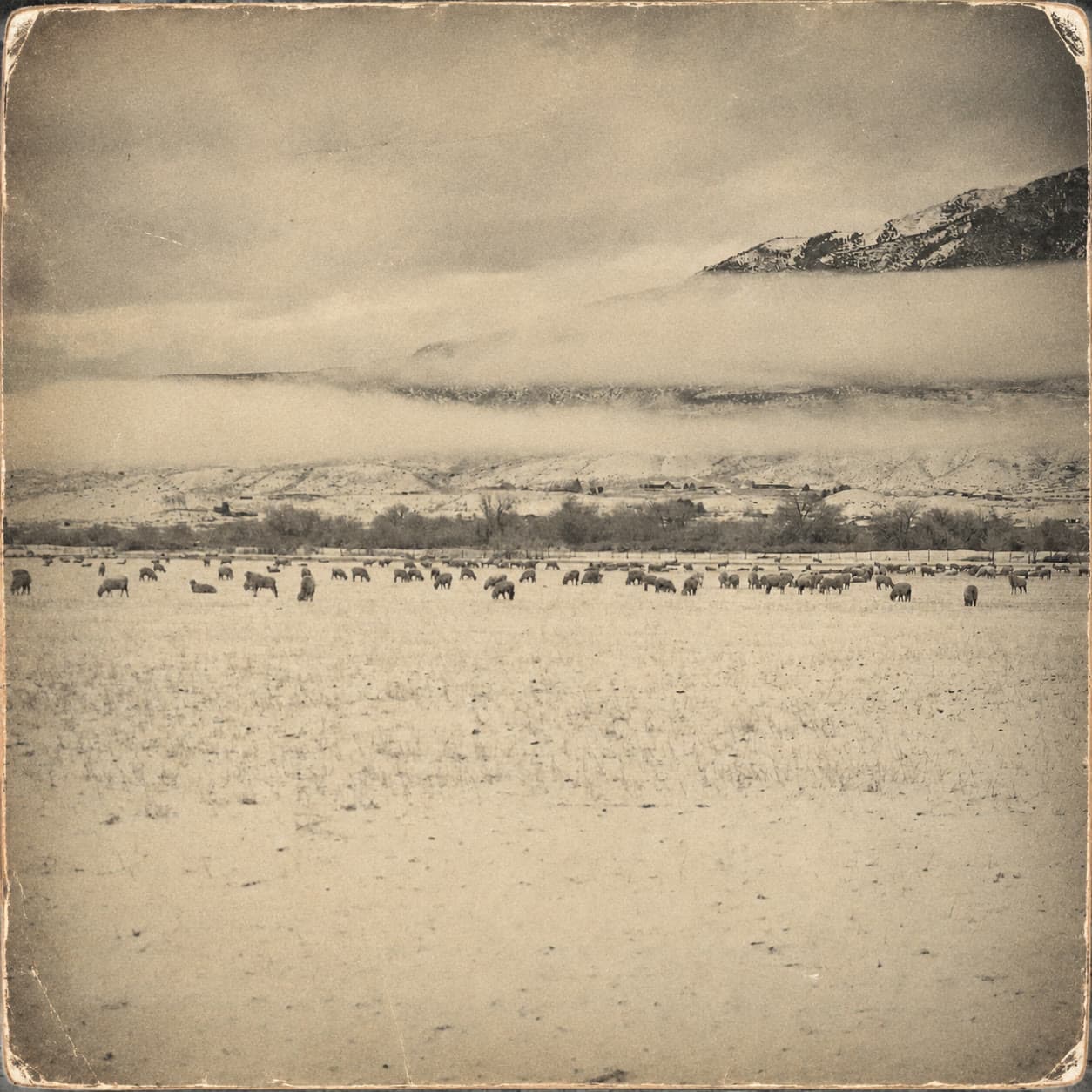
Sevier County, Utah — worked by the same family since 1891.
Chapter 1 / 4
1891
Generation by generation
How the place came to be.
1891
Henry & Sarah homestead.
They arrived with a plow, a wagon, and opinions about weather. The opinions were justified. They named the farm after the land. The land approved.
1925
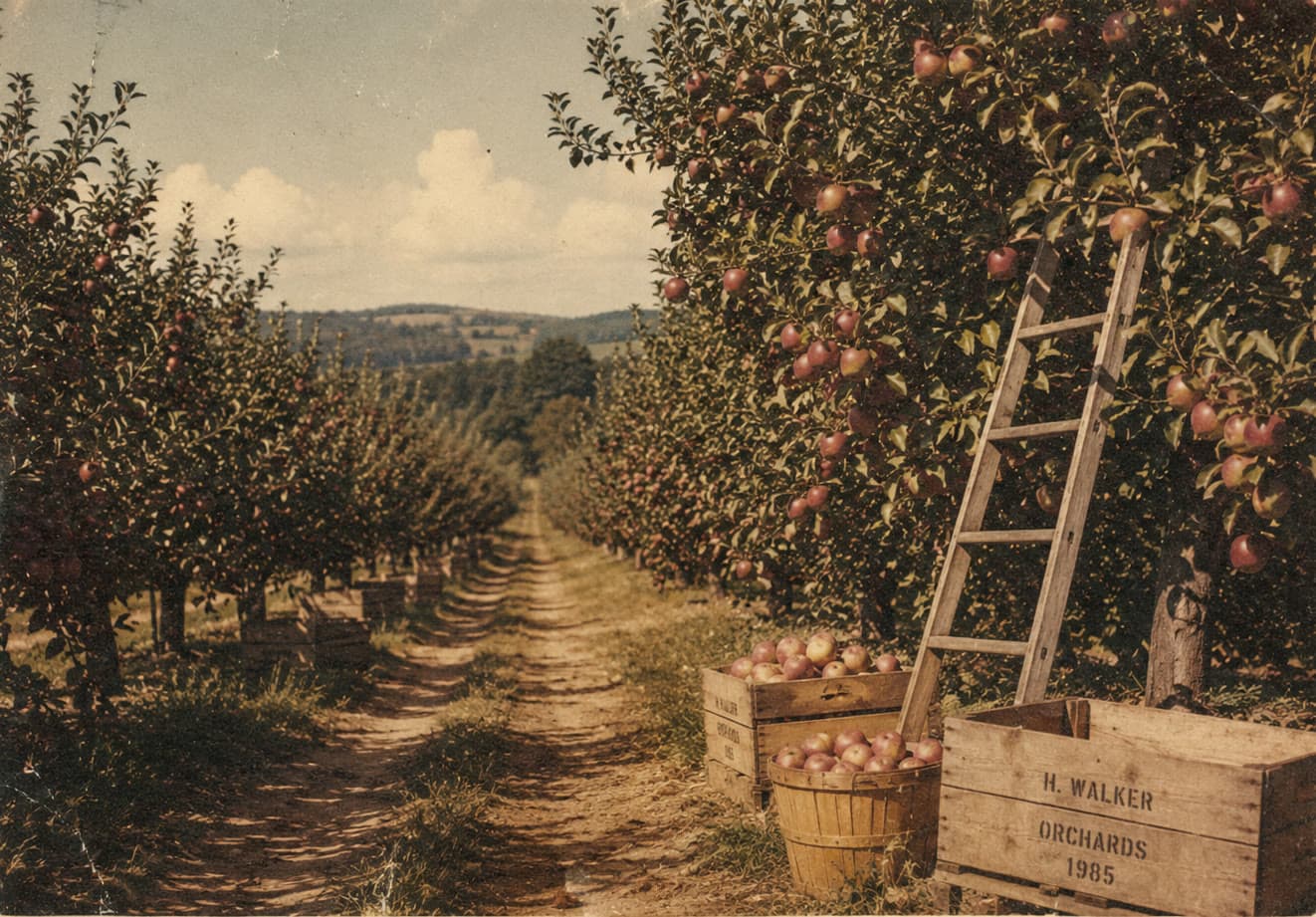
Harold expands the orchard.
Second generation. Brought in draft horses, planted apricots, started experimenting with vegetables. Built a barn that is still standing — and still housing opinions.
1985
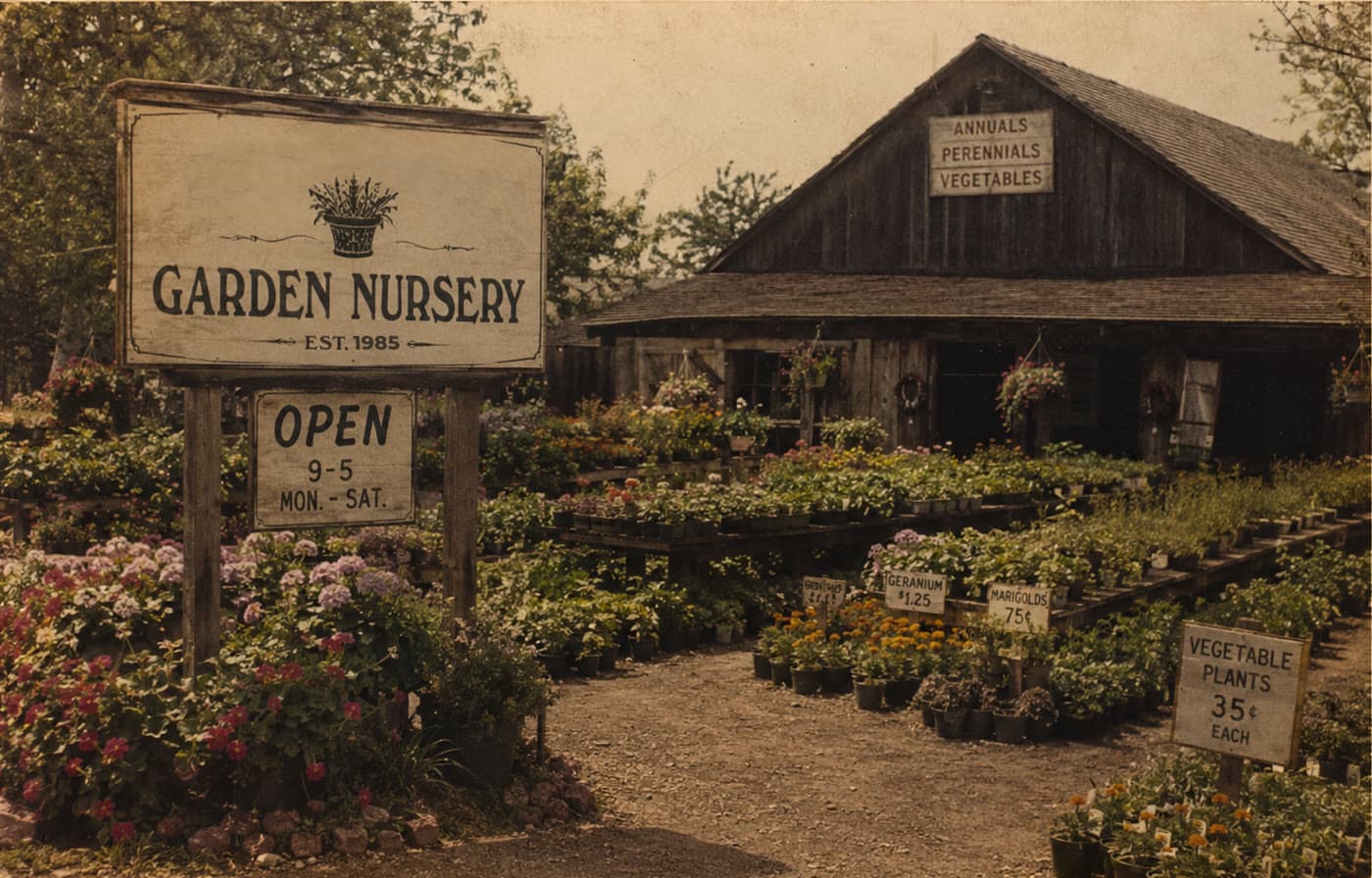
Michael & LaRene formalize the nursery.
Fourth generation. Did the hard work of keeping a family farm profitable without compromising what made it good in the first place.
Today
Three siblings, still showing up.
Fifth generation now runs the place. Still learning. Still making mistakes. Still making it work.
Same family. Same valley.
Built across five generations.
0
Est.
0
Generations
0
Plant varieties
0
Chemistry sets
The team
The working dogs. One job. Occasional chaos.
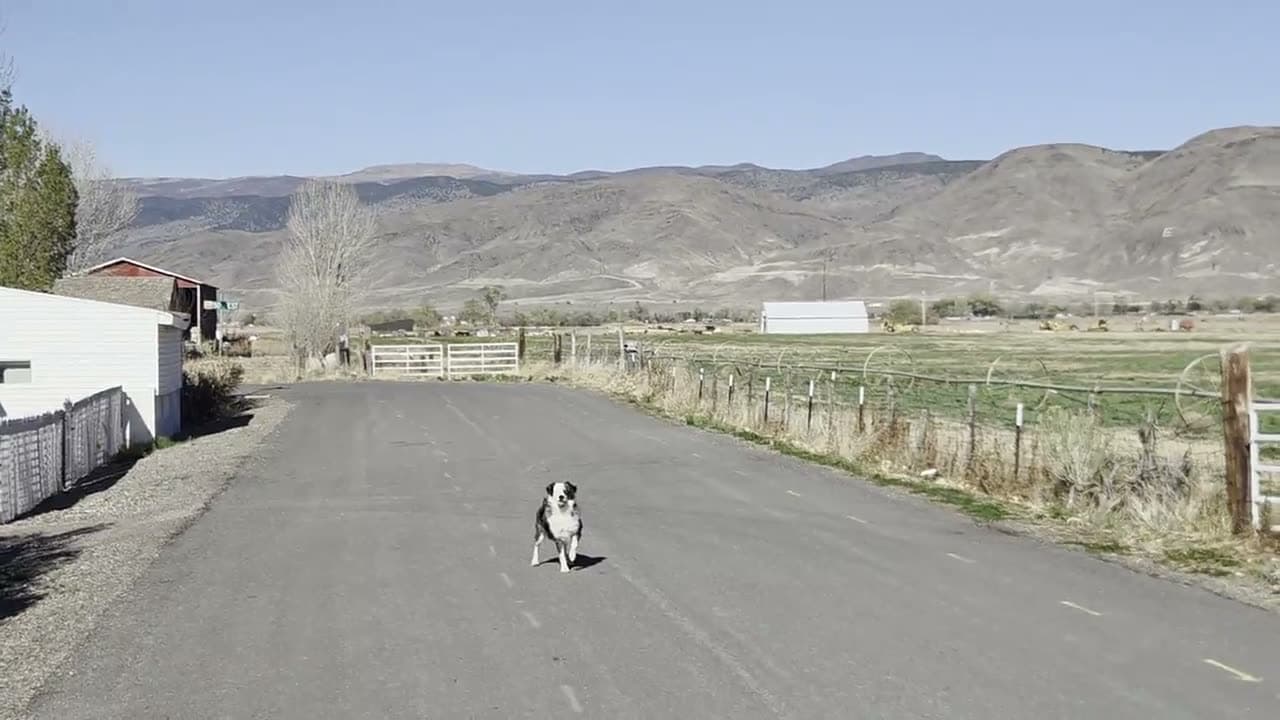
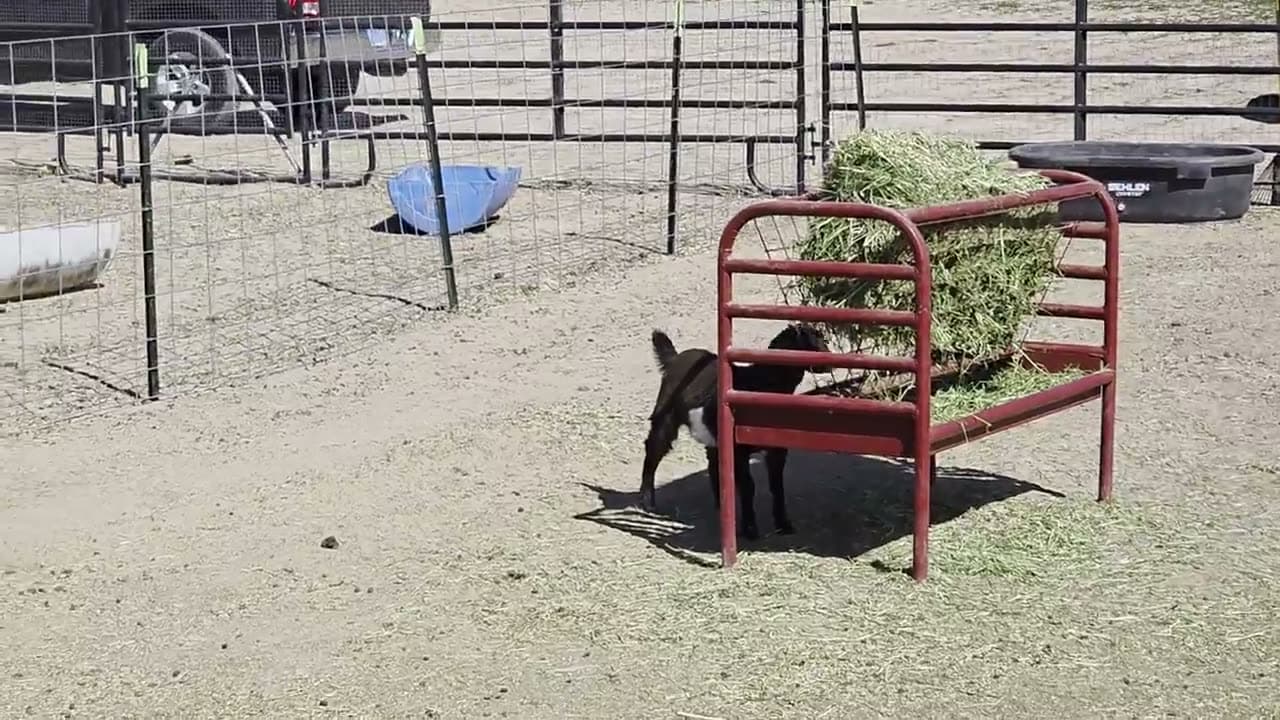
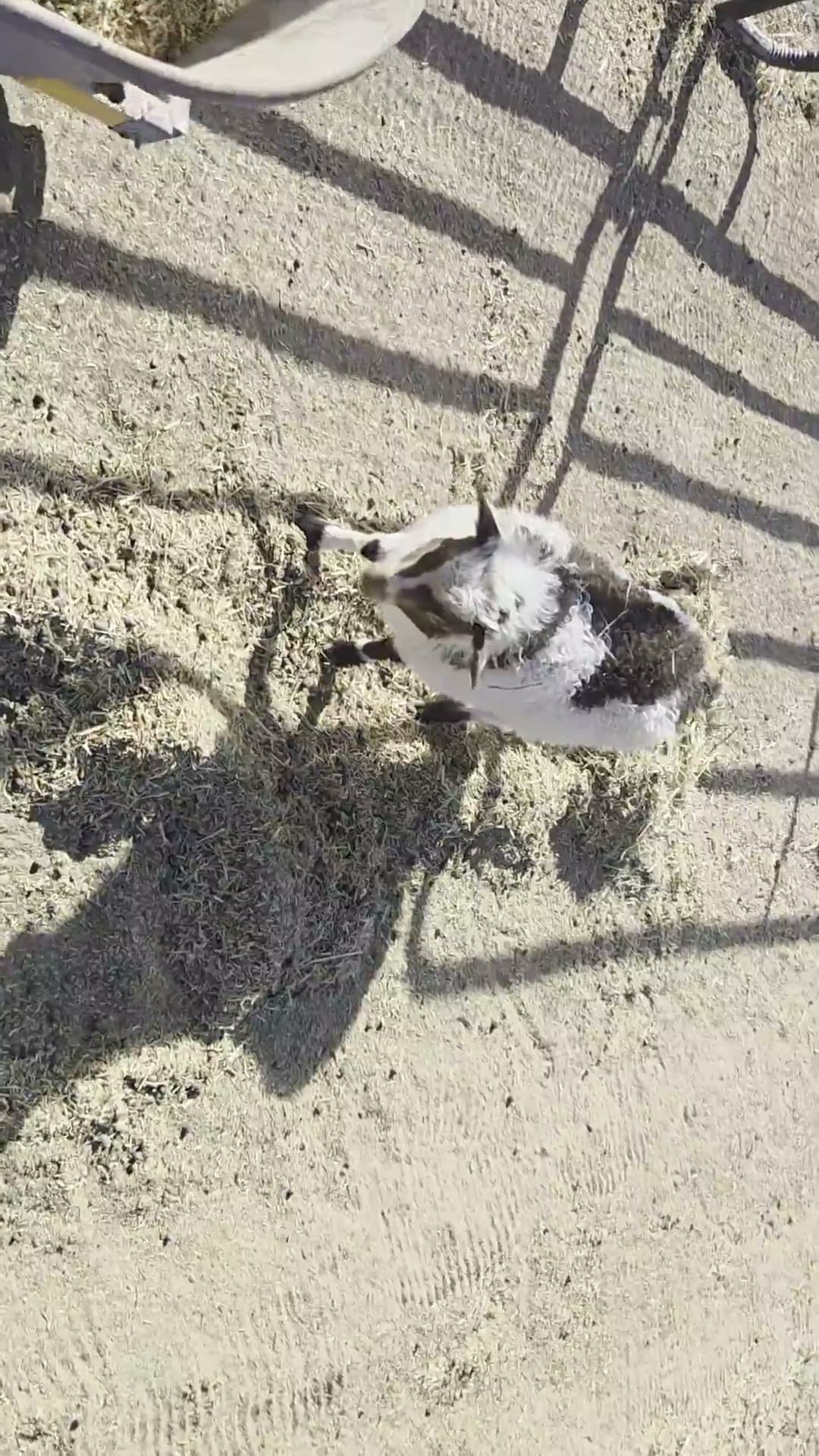
Life on the farm, in clips
The cute. The chaos. The occasional smiling lamb.
Short videos from the pasture, the greenhouse, the nursery, and the dog pile.
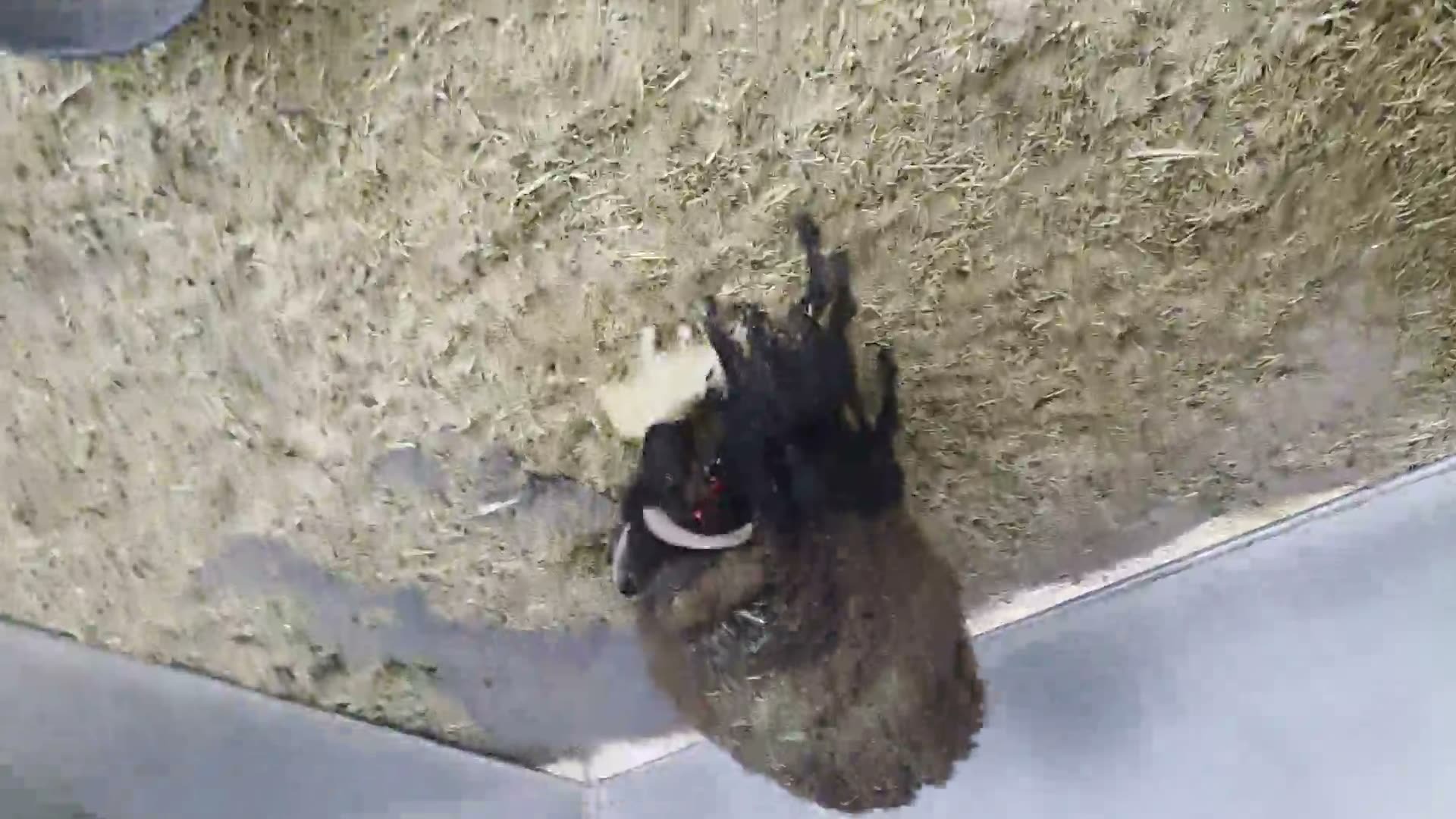
First triplets of the season
Three at once. Mom is unbothered.
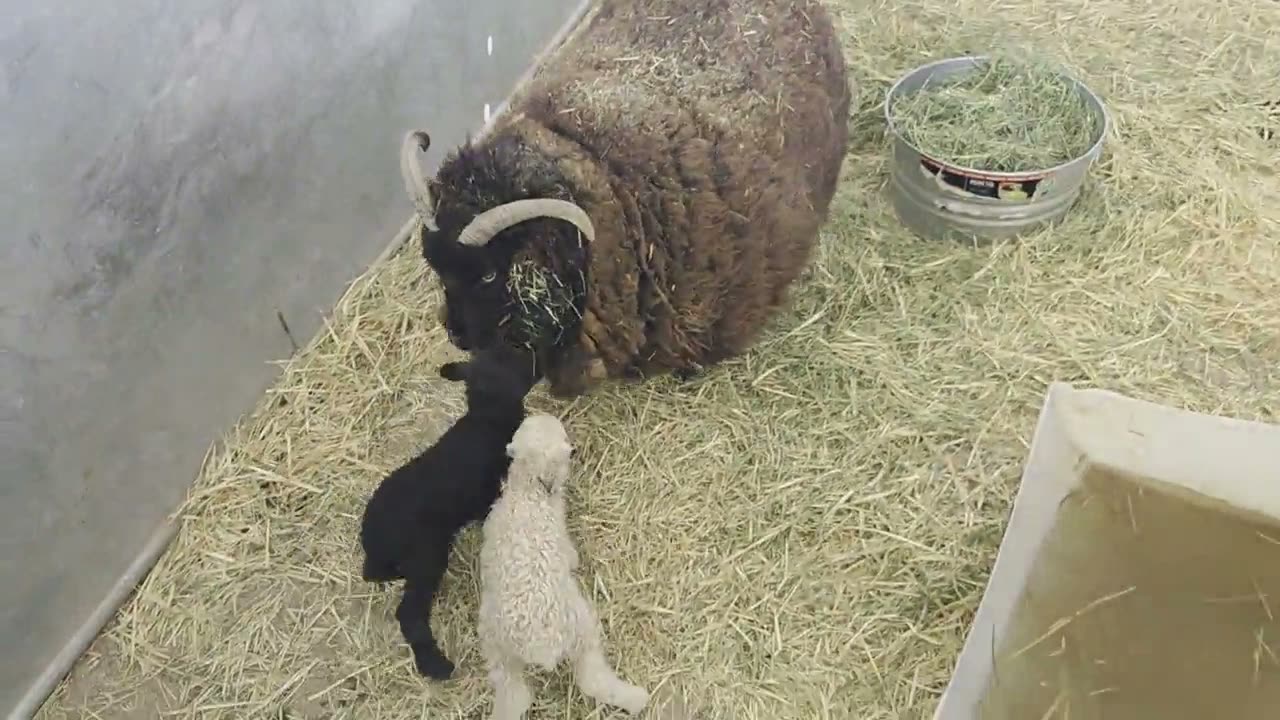
Heidi has two black and one white
The most photogenic family on the property.
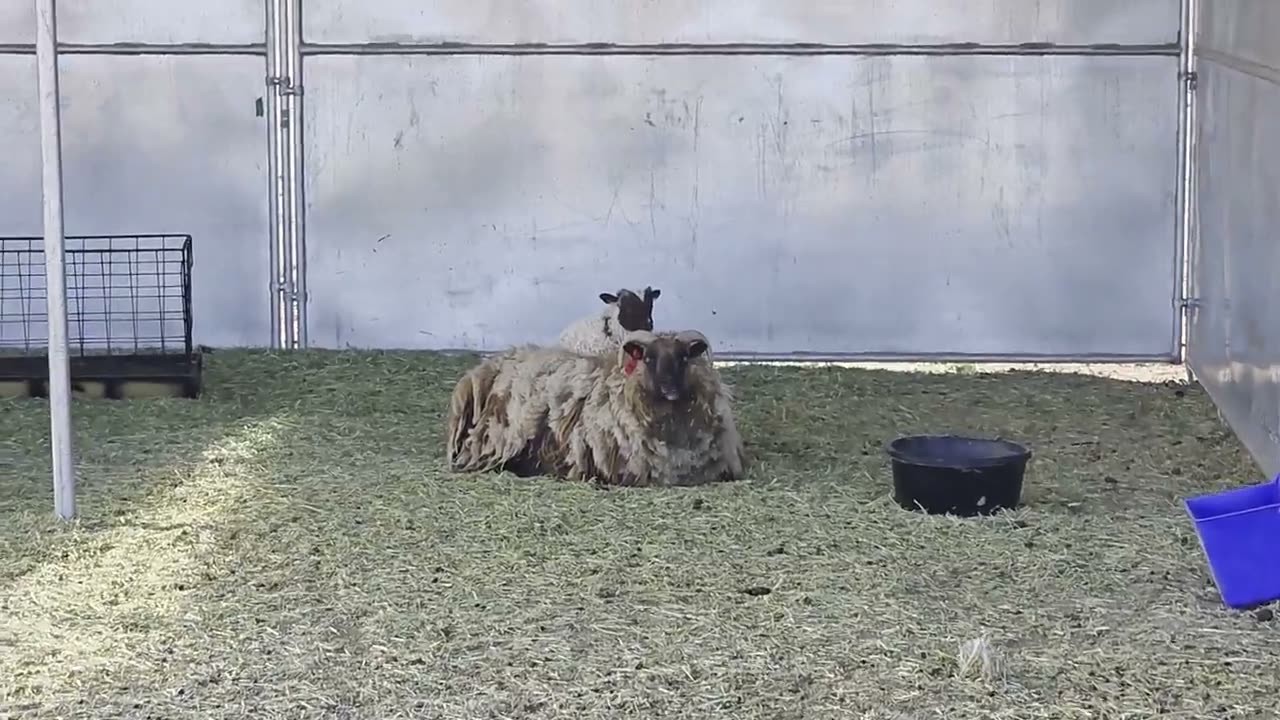
Heartface and her mom
Yes, the marking is real. Yes, that is her name.
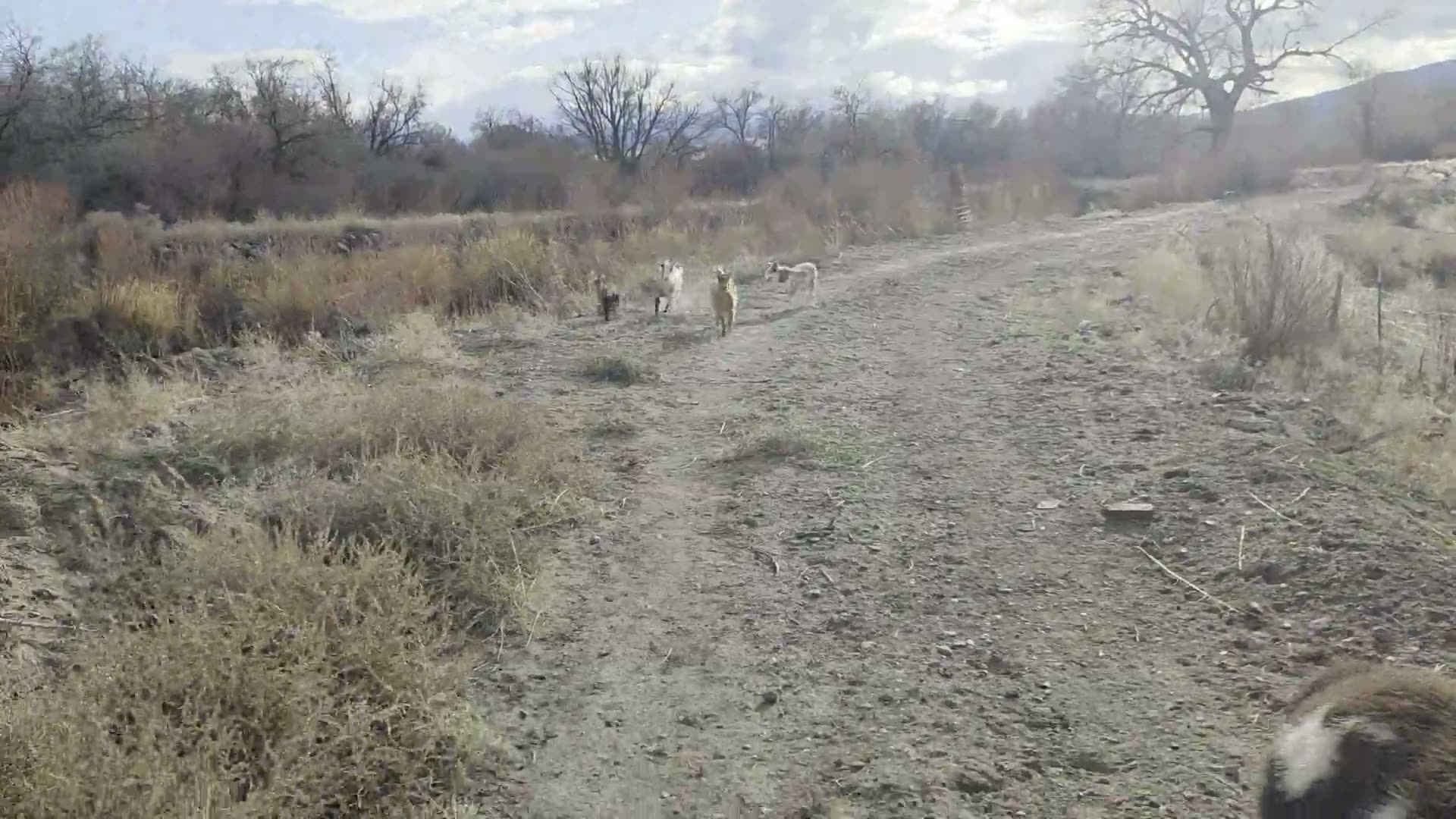
Lexi teaching Bonnie how to herd
On-the-job training for the next generation.
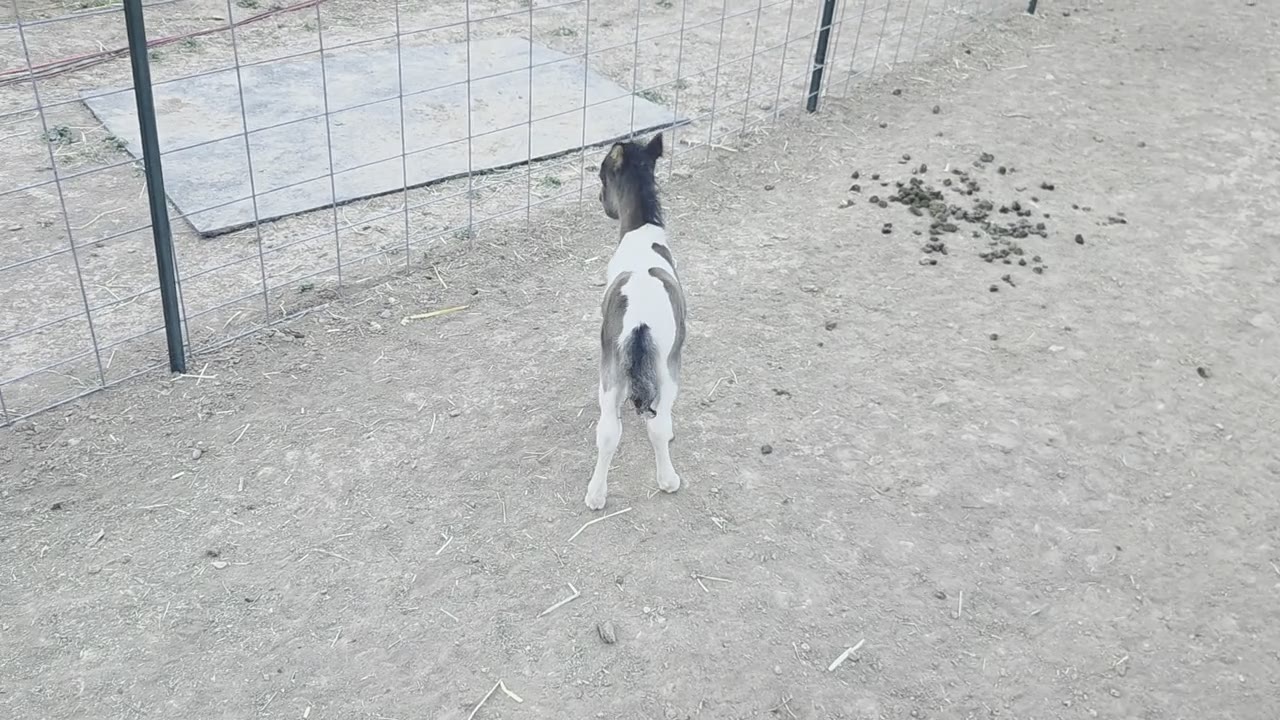
Chewy, the baby mini horse
Small horse. Full-size opinions.
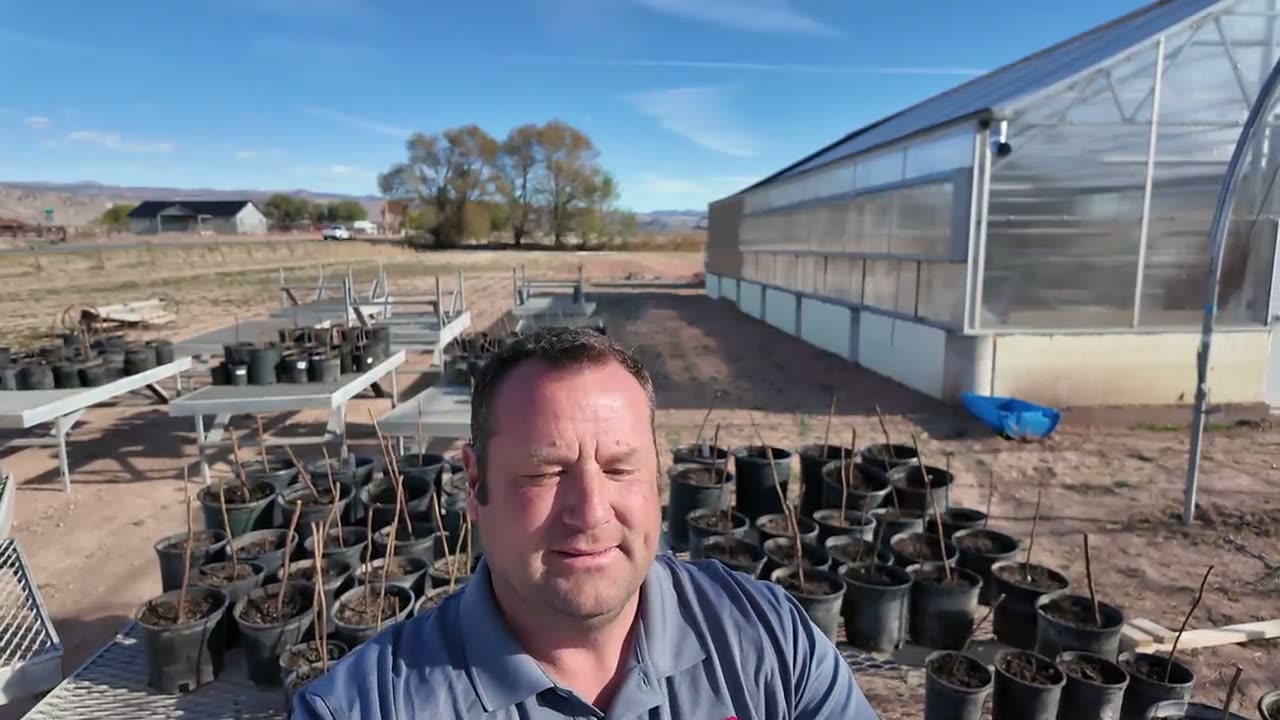
Three raspberry varieties, side by side
They taste different. We promise.
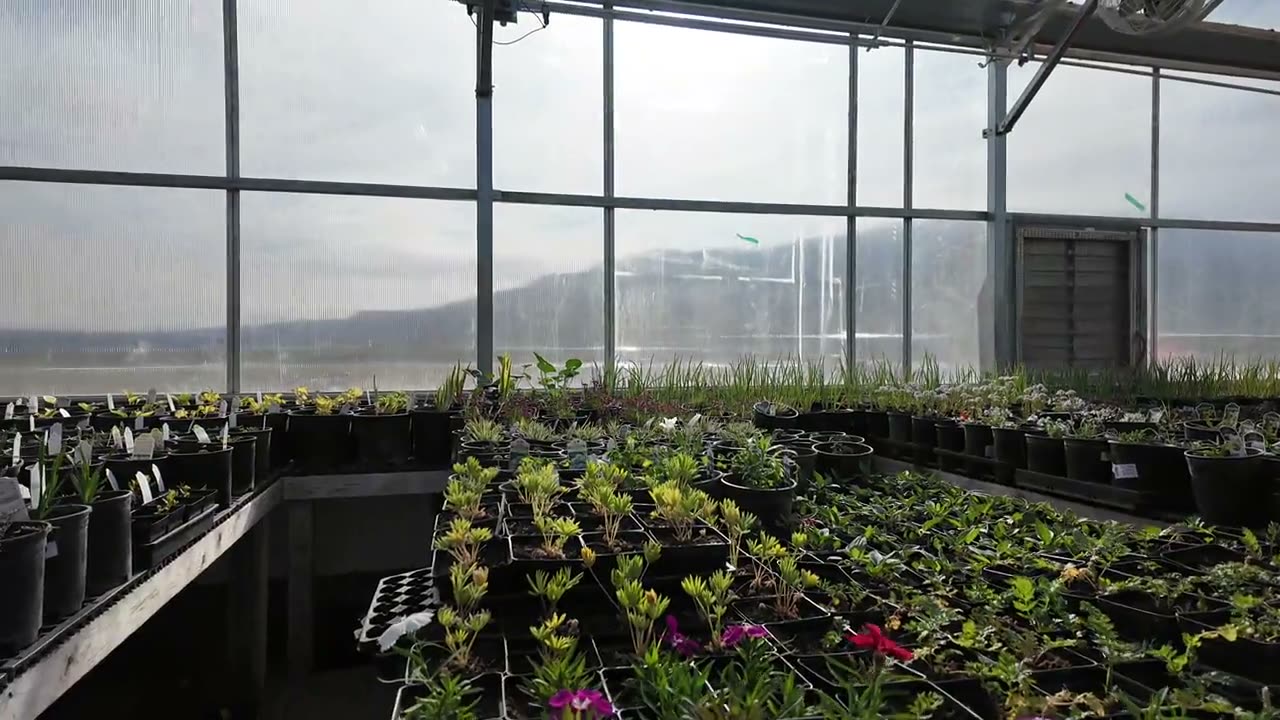
Nursery update — what just came in
A walk-through of this week’s arrivals.
On YouTube
The farm, on film.
Lambing season, greenhouse builds, the dogs doing their jobs, and the occasional suspiciously cheerful goat. Pulled live from the channel.
Why we do it this way
The modern food system has a funny way of naming things.
Today, farming with massive amounts of synthetic chemicals, pesticides, herbicides, and fertilizers is called “conventional.” Meanwhile, farming the way humanity farmed for thousands of years — building healthy soil, working with nature, rotating crops, and raising food without drenching it in chemicals — is now labeled “organic.”
Or worse… ‘sus.’
And honestly, that in itself feels a little suspicious to us.
How it looks
The daily work of a real Utah farm.
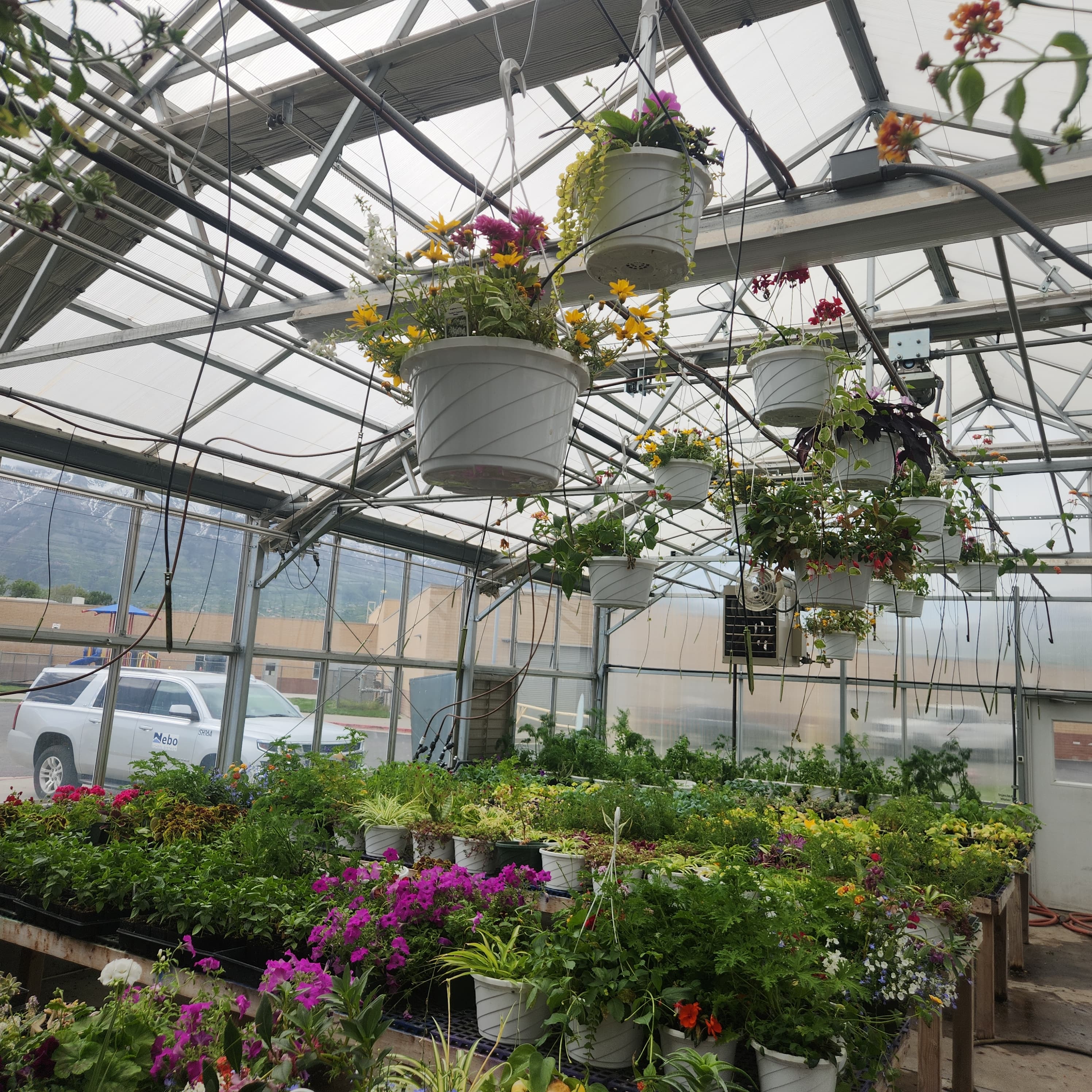
Mid-summer. Everything is happening at once.
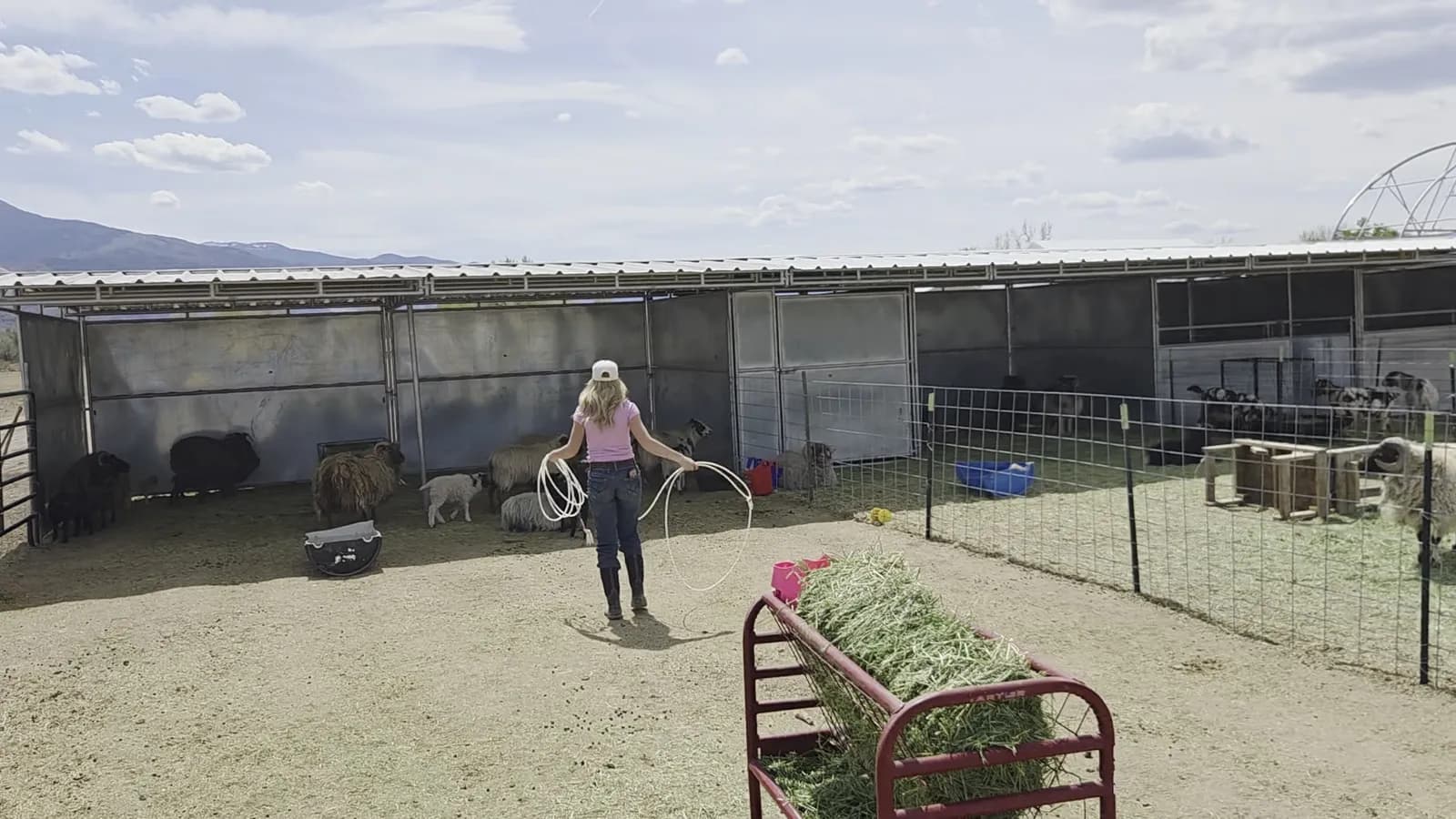
Fifth generation, learning the job.
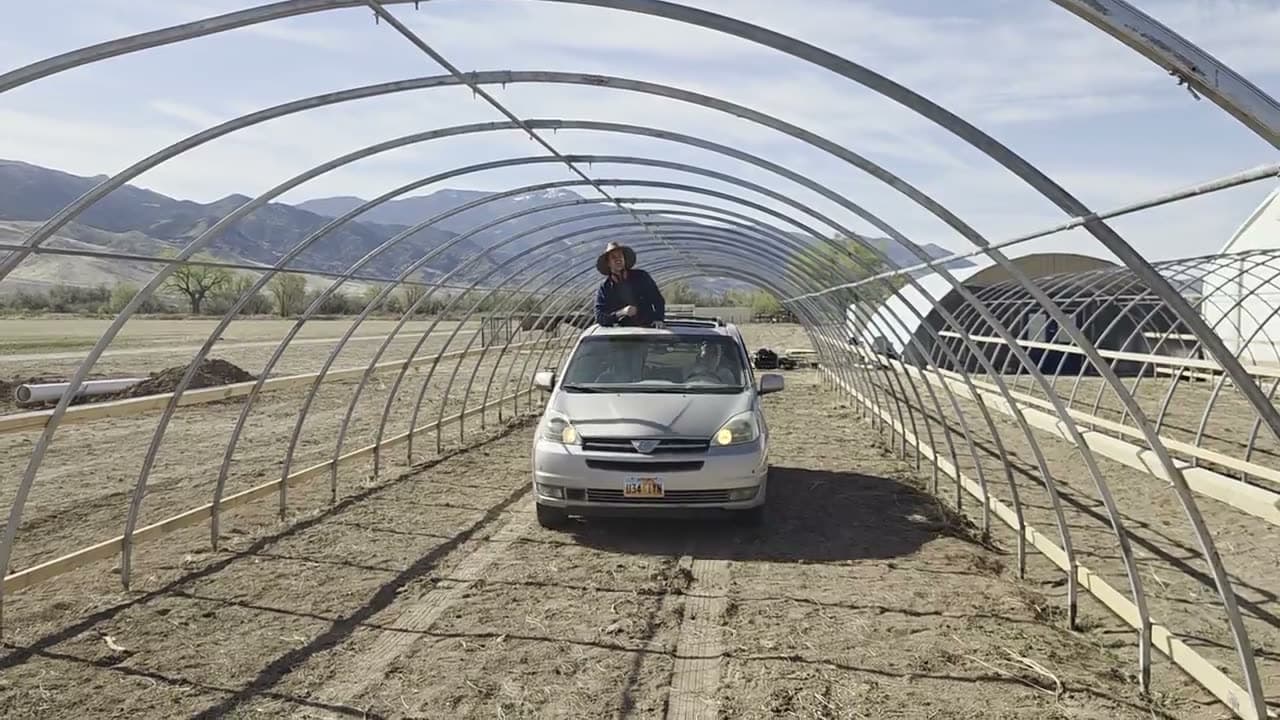
Building never stops on a working farm.
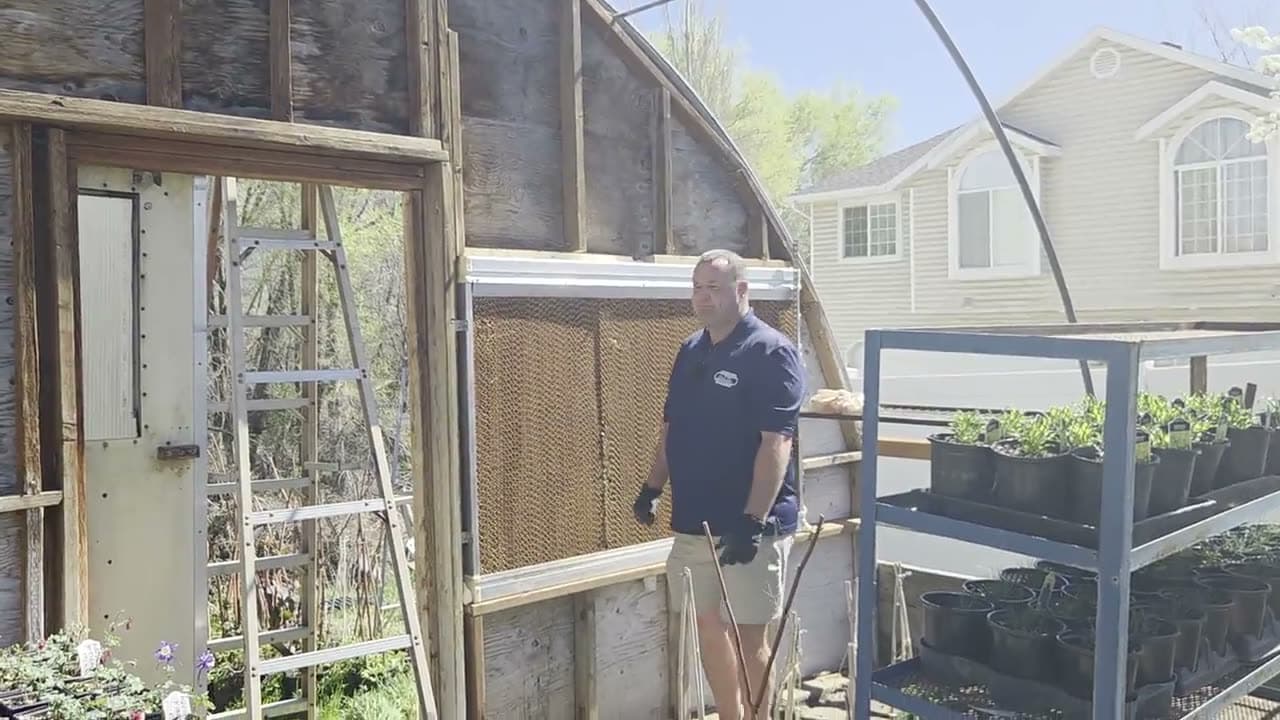
Always adjusting. Always something to fix.
Useful, not theoretical
Grow guides for Utah gardeners.
Plain-language guides for vegetables, herbs, fruit, and flowers — written for the soil, weather, and short season we actually have here. Built from our own farm experience, USU Extension research, and grower-friendly resources like Johnny’s Selected Seeds.
Vegetables
Tomatoes, peppers, greens, root crops.
Herbs
Basil, rosemary, mint, oregano.
Fruit
Stone fruit, berries, melons.
Flowers
Cutting mixes, pollinator blends.
Keep in touch
Plant updates, weather rants, and the occasional goat photo.
We send one newsletter per month. No spam. Honestly, we barely remember to do it.
Reasonable questions
A few things people ask.
The quick version. Bigger questions go to contact.
If you’ve read this far
Come walk the farm.
The animals are open all year. Plant nursery runs seasonally, with new offers each spring and fall. Come by, send a question, or read up on growing in Utah.