Our practices
Before it was called organic,
it was just called farming.
Five generations of low-input agriculture. We work with the land, not against it. The methods we use aren’t trendy—they’re practical. And they work.
The methods
How we actually grow things
🌍
Soil health
We test soil every year and amend based on biology, not guesses. 35+ years no-till. Compost is king. Life in the dirt = life in the plants.
6 soil tests yearly
💧
Water conservation
Drip irrigation where we can. Mulch everything. We let rain do its job. Utah water is precious—we treat it like it.
50%+ less runoff
🐝
Integrated pest management
Encourage beneficial insects. Rotate crops. Use organic controls only when necessary. No synthetic pesticides. The farm is an ecosystem, not a monoculture.
95% pest issues solved biologically
♻️
Composting
Everything organic gets composted—crop waste, animal bedding, kitchen scraps from the farm kitchen. Closes the loop. Feeds the soil.
~6,000 lbs/year
🐑
Animal welfare
Pasture-raised sheep and goats with rotation grazing. No confinement. Animals are part of the system—they aerate, fertilize, and eat weeds we can't reach.
Moved every 2-4 weeks
🌱
Heirloom & open-pollinated seeds
We save seeds from our best plants. Preserves genetics. Reduces dependency. Keeps varieties alive that would vanish in corporate consolidation.
30+ varieties saved
By the numbers
What 35+ years of no-till looks like
The thinking
Why we do what we do
When your family has been farming the same land for five generations, you start to notice things that people with a ten-year plan never see. You notice that soil gets better or worse over decades. That animals improve pasture when they’re managed right. That water year cycles matter more than quarterly earnings.
We don’t farm the way we do because it’s certified organic or because it makes good marketing. We farm this way because the alternative never made sense to us. You can’t spray your way to health. You can’t simplify an ecosystem and expect it to work. And once you poison the soil, you’re not farming anymore—you’re just renting space from chemicals.
Our practices aren’t novel. Crop rotation, composting, integrated pest management—these are as old as agriculture itself. What’s novel is that we kept doing them when the industry told us we were inefficient. Turns out, when you trust the system instead of fighting it, the yields come anyway. And the soil gets better. And the animals are healthier. And after five generations, you’re still here.
That’s the real measure of success: can your kids farm it too? If the soil is worse when you leave than when you started, you failed. Everything else is marketing.
“
We don't farm for the next quarter. We farm for the next generation.
Ron Smith, Fourth generation
In practice
What regenerative farming looks like on the ground
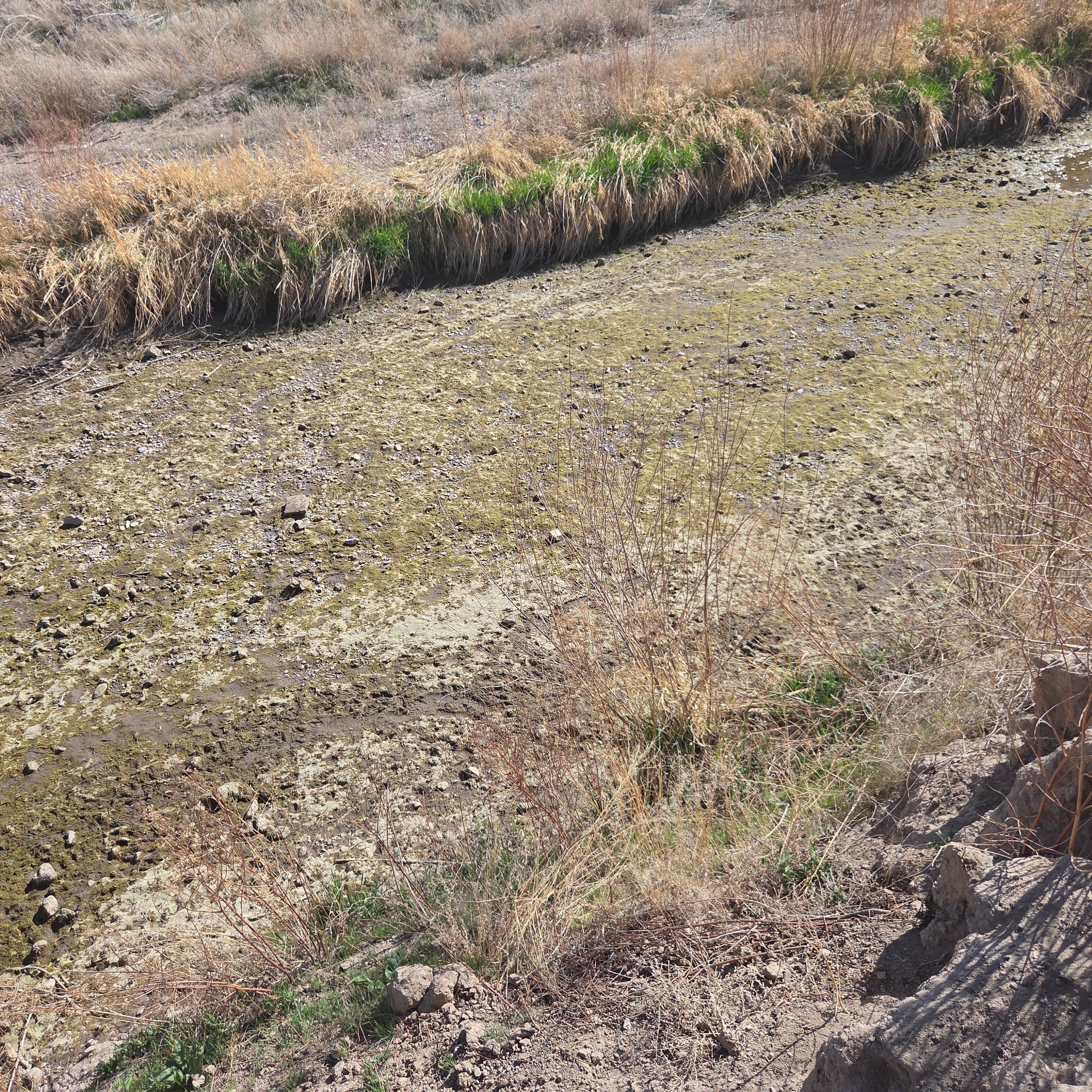
Soil is alive

Where everything goes back
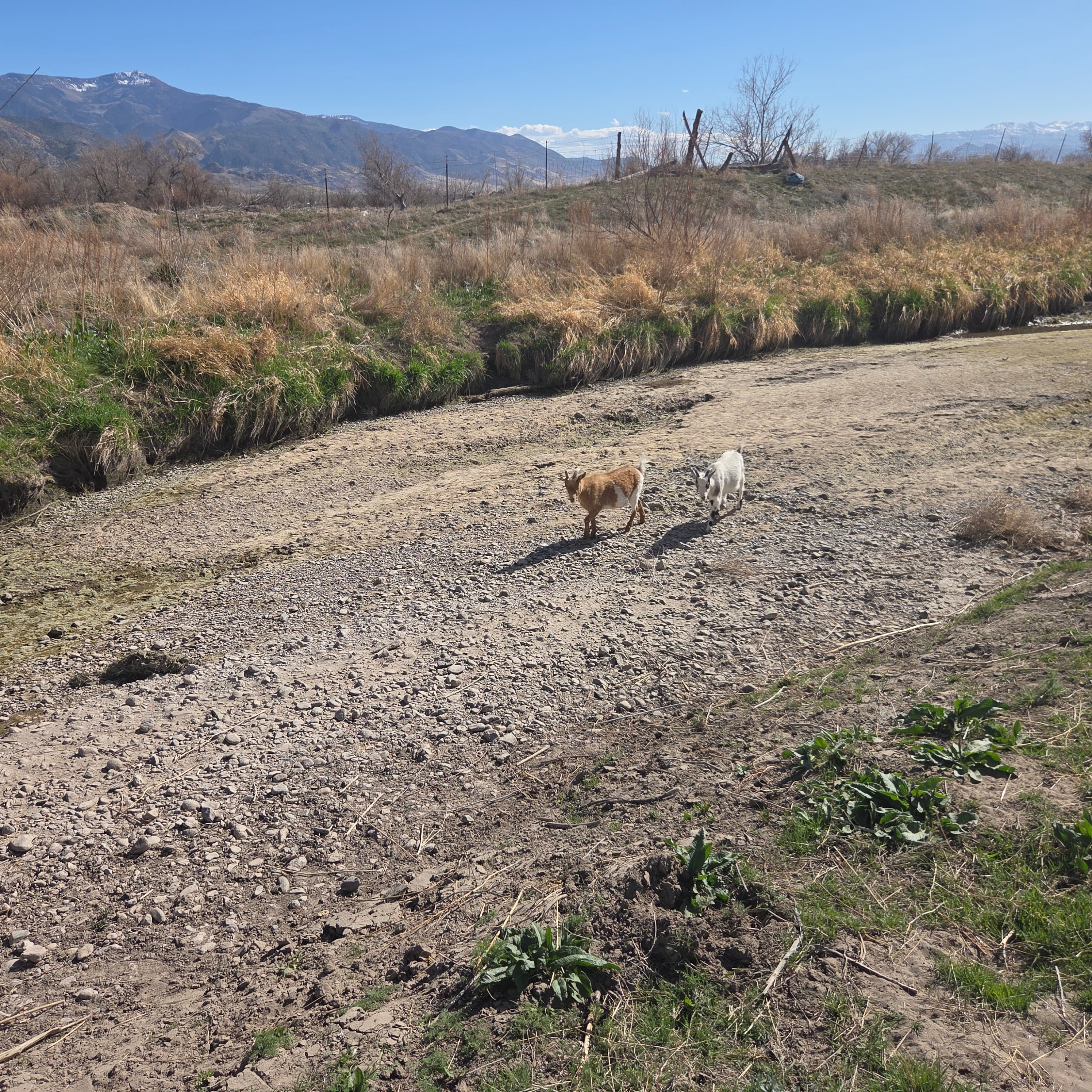
Rotation system in action

Every drop counts

Home for the good bugs
Full transparency
We’re not perfect. We’re working.
We don’t have organic certification because we don’t want to pay a third party to verify what we already know. That said, we follow organic standards because they make sense—not because they make money.
We use inputs when necessary. Sometimes a disease hits and you have to act. We use approved organic controls because they work and don’t poison the soil. We’re not preachy about it.
And yes, we still use some equipment that runs on diesel. We’re 130+ acres, not a backyard garden. But we track everything, we minimize, and we reinvest in better methods whenever we can afford them.
Interested?
See what we grow
These practices produce real plants. Visit us, tour the property, and see the results firsthand.
Keep in touch
Plant updates, weather rants, and the occasional goat photo.
We send one newsletter per month. No spam. Honestly, we barely remember to do it.