
Fourth generation
LaRene Smith.
The nursery started in her backyard.
She did not invent any of this. She inherited soil, customers who needed plants, and an instinct for what a plant was trying to say. The nursery side of SUS Farms exists because she did the work, kept the receipts, and was right often enough that the rest of us paid attention.
The short version
How the nursery got here.
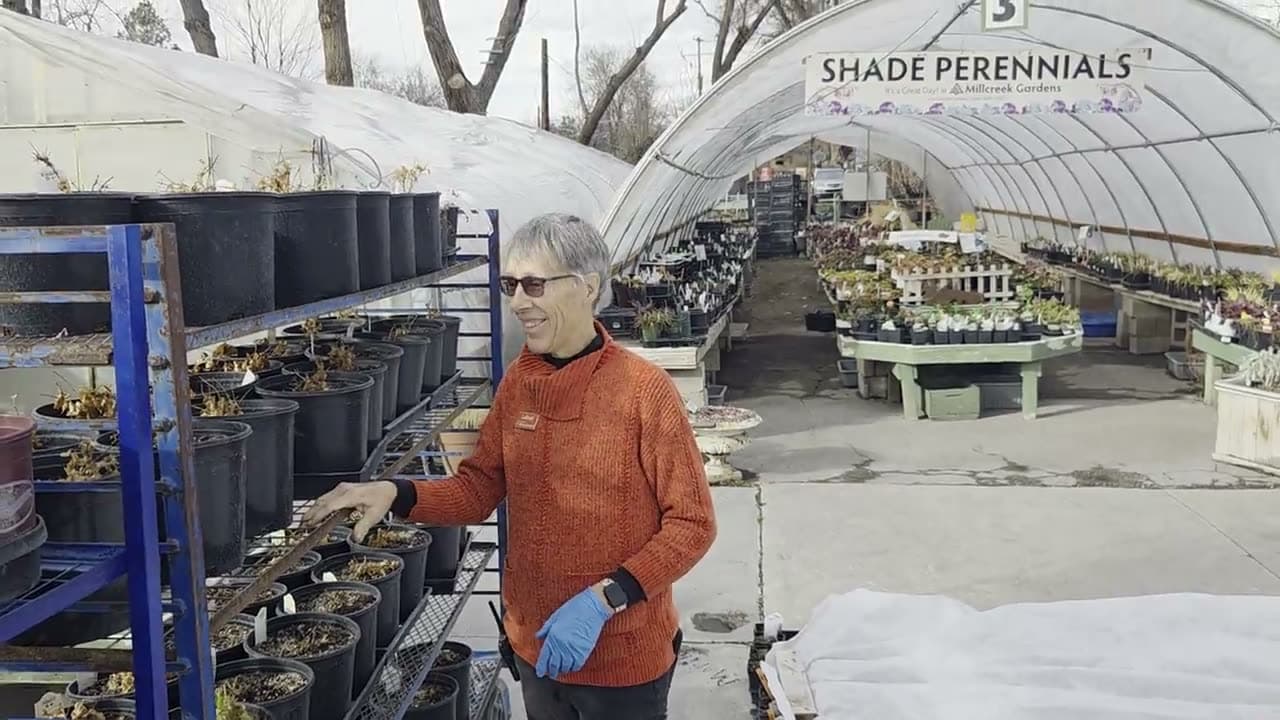
LaRene married into the farm in the back half of the last century, and quietly turned the farm’s seasonal habit of growing plant starts into an actual business. The first greenhouse was a backyard build — not a side hustle, just a thing she did because the neighbors kept asking.
People showed up because the plants were good and the advice was honest. That is the whole marketing story. We still operate on those rules. We still test our soil with our hands first. We still pull a plant out of its pot to look at the roots before we sell it.
We lost her in 2008. She was 89. The greenhouse felt different the next morning, and then it had to keep going, because that is what greenhouses do.
“Plants are not trying to die. They are trying to live. If they are struggling, you are doing something wrong.”
— LaRene, at least once a season.
In her own greenhouse
Two short clips.
Both shot in the original nursery space. The footage is not polished. It was not supposed to be.
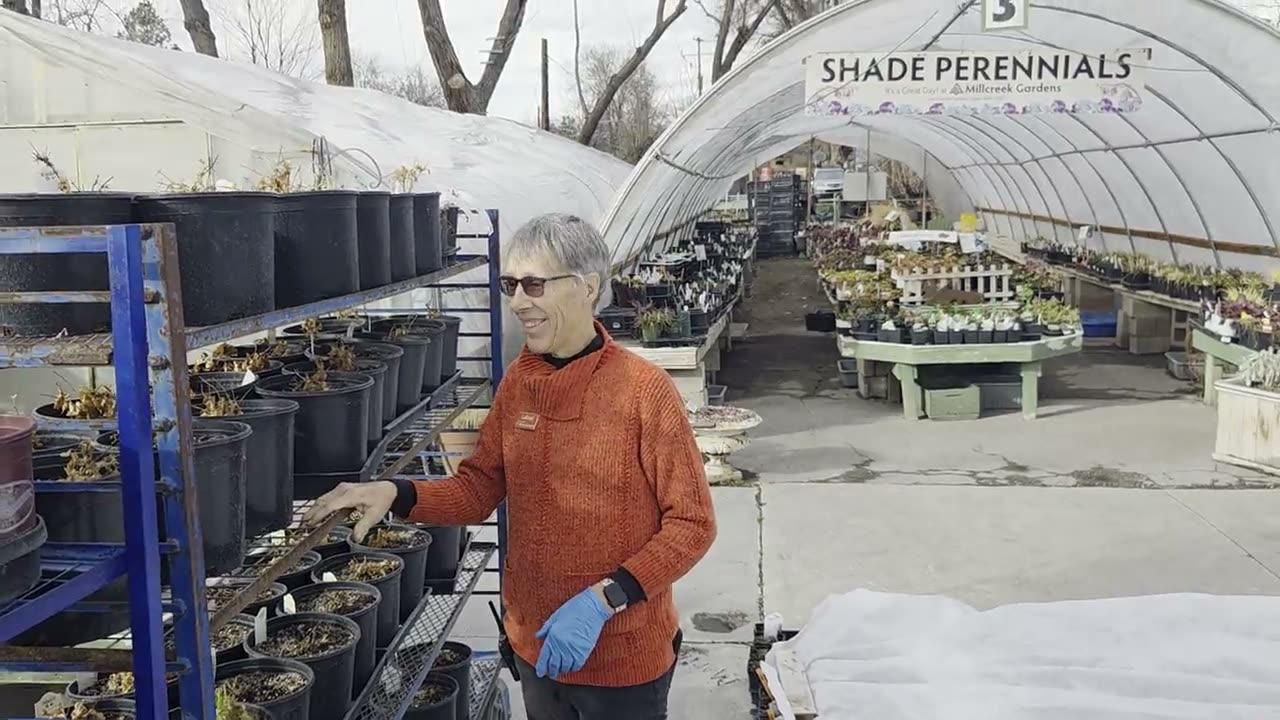
LaRene Nursery — clip 1
Where the nursery side of the operation got its start.
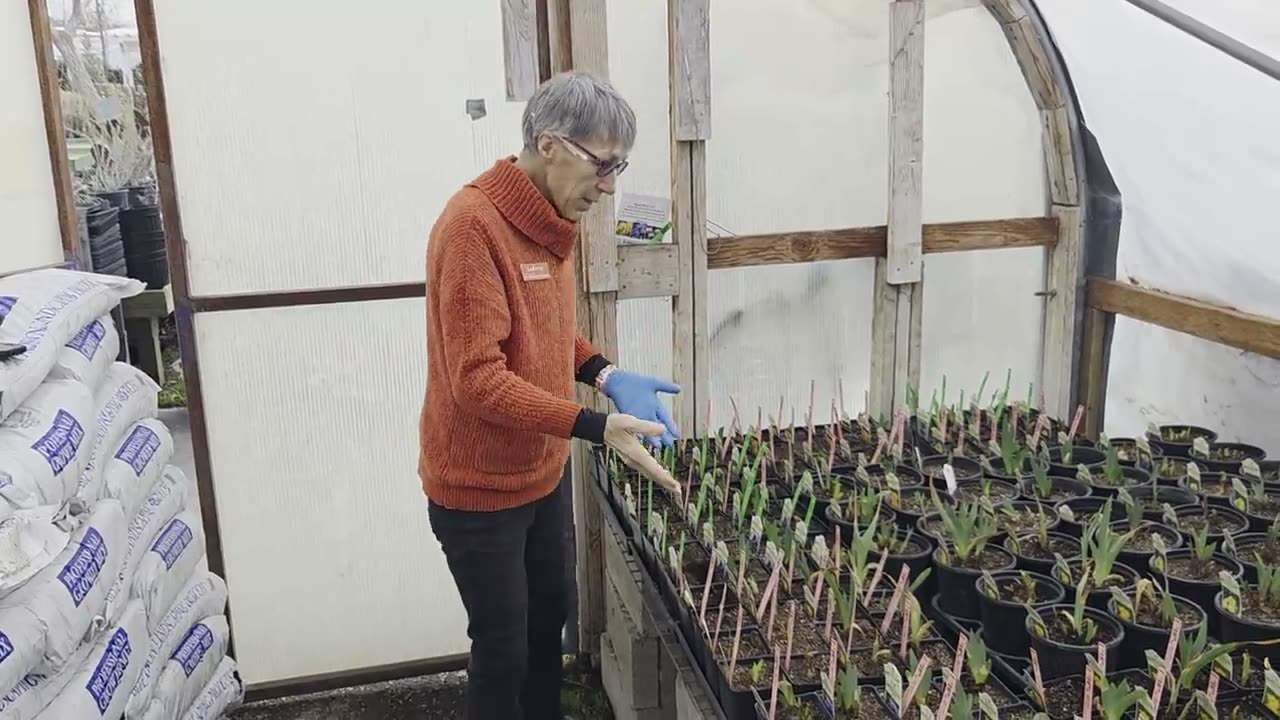
LaRene Nursery — clip 2
Continuing a tradition that already worked.
What she taught us
Five things we still do because LaRene did them.
01
Look at the roots first.
Most people look at leaves. Leaves are the symptom. Roots are the truth. She would pot up a seedling, slide it out, check the root ball, and send back anything pot-bound or root-bound before it ever hit the table. That alone saved us from selling a lot of struggling plants.
02
Match the plant to the place, not the place to the plant.
She would not fight a fern in Sevier County dry air. She did not try to grow citrus on the porch. She picked the plants that wanted to be here and put her energy into doing them well. We say this is "old method, new tools." She just said it was common sense.
03
Water is chemistry, not chore.
Hard water, chlorinated water, cold water on a warm day — all of it counts. She watered at the base. She let the top inch dry first. She watered until it ran clean out the bottom. Then she walked away and let the plant do its job.
04
Mix your own soil.
She did not trust bagged mix. She would test it, amend it, and build her own. "You cannot trust it," she would say. "But you can trust yourself if you know what is in it." Our mix today is hers, with a few modifications we will not pretend she would have approved of.
05
Plants are not trying to die.
When something looked off, her first move was never "this plant is finicky." Her first move was "what did I do?" Observe, diagnose — roots? water? light? pests? — fix the one thing, wait. That is the entire diagnostic loop, and it works on almost anything.
“
Match the plant to the environment, not the environment to the plant.
LaRene’s law, said at least once a season
On the record
A few photos, kept.
In the propagation greenhouse.
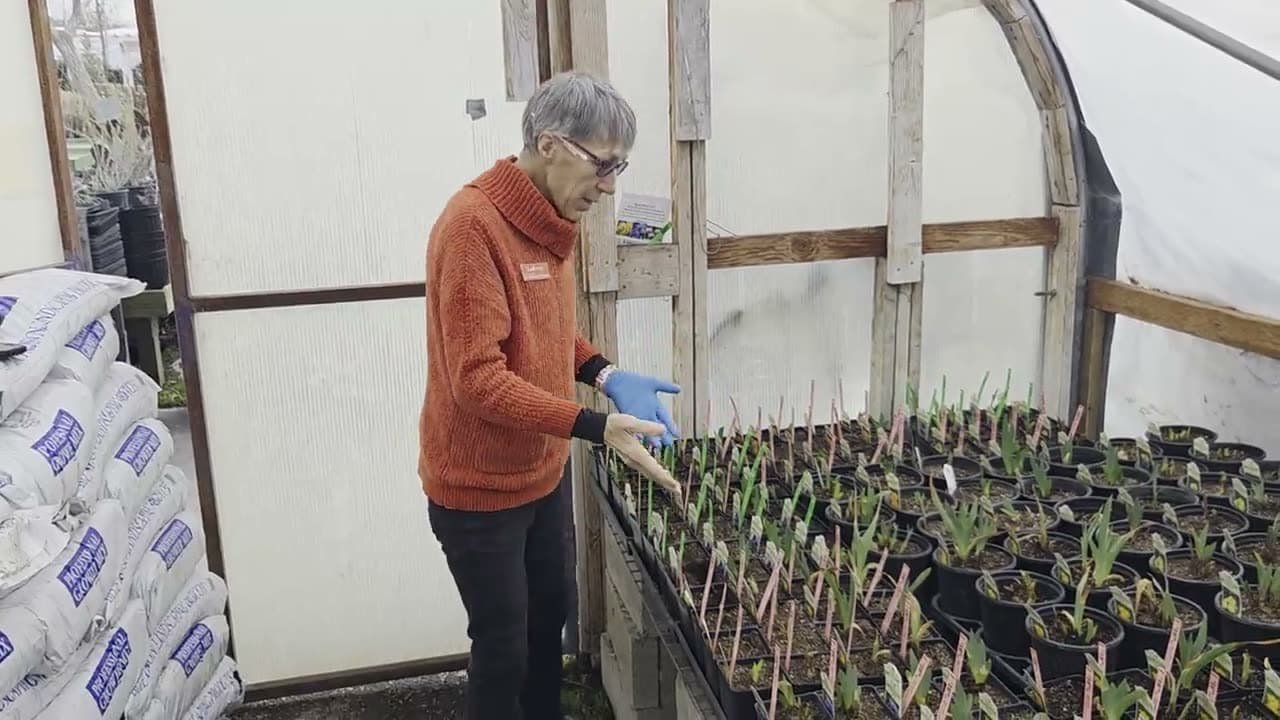
Mid-season, doing what she did best.
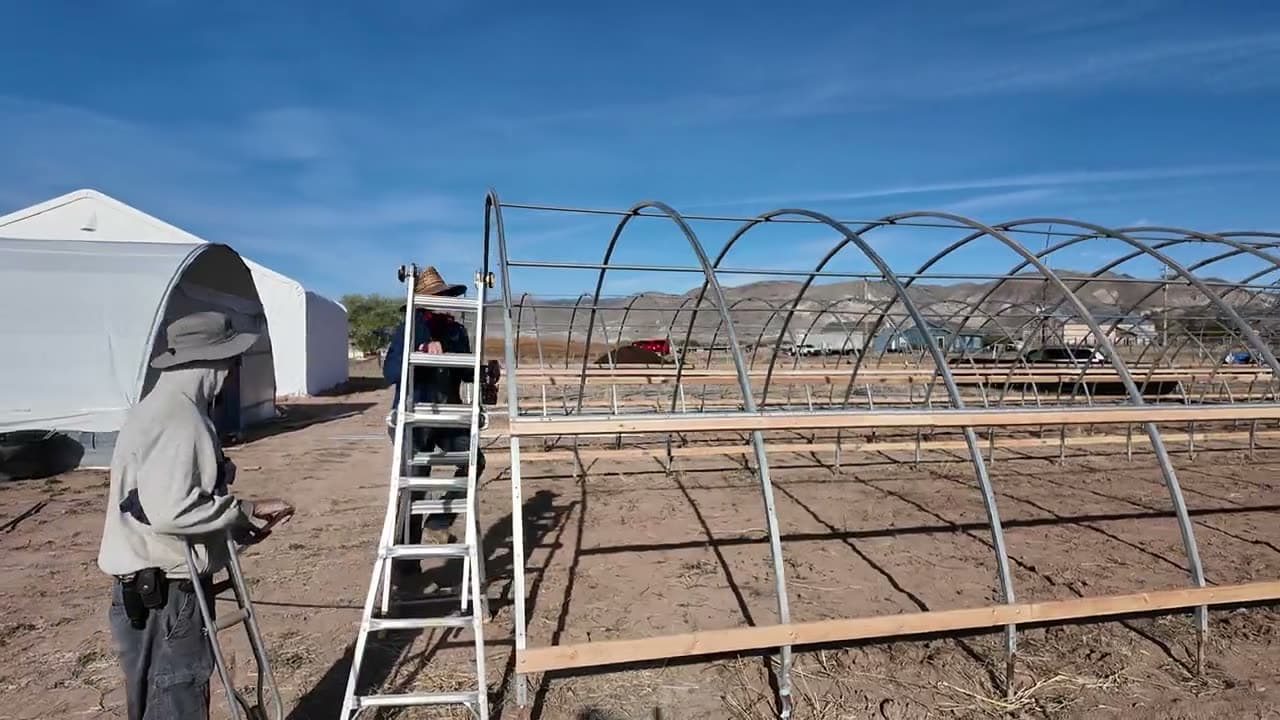
Greenhouse she walked every morning.
A note from the family
Most of what we know, we learned from her.
Most of what she knew, she got from thousands of days of showing up. There is no shortcut to that. We are trying to keep the methods alive. Some of it is in the soil recipe. Some of it is in the way the benches are laid out. Some of it is just the habit of asking, when a plant looks rough, “what did I do,” before blaming the plant.
If you have walked through the nursery in the last forty years, you have walked through her work. We thought a page on the site was the least we could do.
— The fifth generation.
Keep in touch
Plant updates, weather rants, and the occasional goat photo.
We send one newsletter per month. No spam. Honestly, we barely remember to do it.