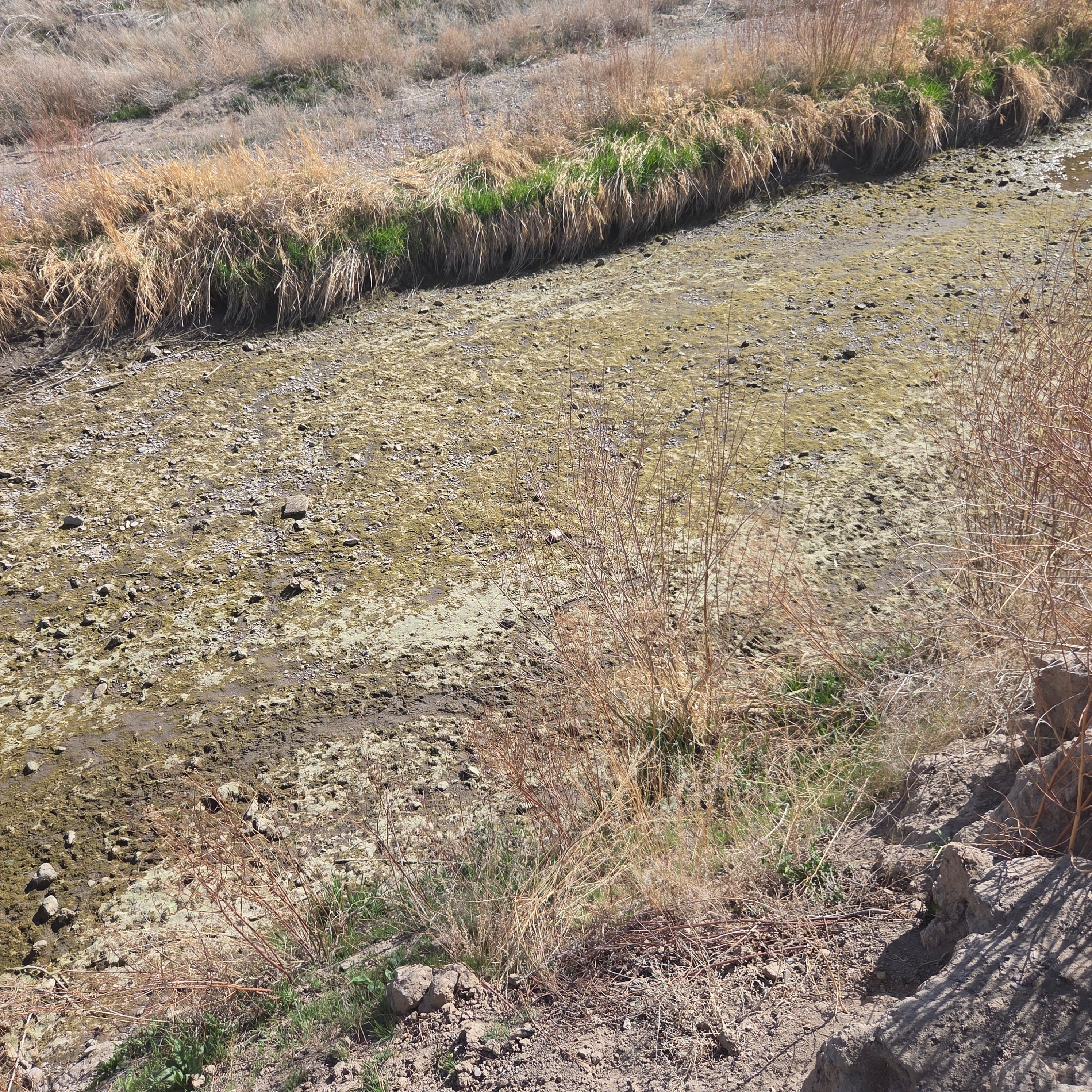
How to Test Utah Soil at Home
A beginner’s guide to testing pH, texture, and nutrient levels—the foundation for every successful garden.
TL;DR
- Time: 30 minutes
- Cost: $
- Yield: Complete soil profile
- Difficulty: Beginner
Supplies
- Soil test kit (from your county Extension office) or sterile container
- Distilled water (optional, for texture test)
- Spoon or garden tool
- Label and marker
Tools
- Clean bucket
- Shovel or soil probe
- Rubber gloves (optional)
Steps
Collect soil from five spots
Don't just grab soil from one corner. Walk your garden bed in a zig-zag pattern and collect samples from five different locations—under the tomato plants, near the fence, in the middle, at the edges. Go 4–6 inches deep, where roots live. Skip wet spots; collect when soil is moist but not waterlogged.
Mix samples together
Combine all five samples in your clean bucket and mix thoroughly. Break up any clumps with your spoon. This composite sample represents your whole garden.
Fill the soil test kit
Follow your county Extension office's instructions. Usually this means filling a small paper cup or bag to the line marked on the kit. Don't pack it down; just fill and level.
Fill out the form
Write down your name, address, what you grow, and any specific questions (e.g., "I can't get tomatoes to set fruit"). This helps the lab give you targeted advice. Sevier County Extension: (435) 835-1989.
Mail it to USU Analytical Labs
Send to Utah State University Analytical Laboratories, 4820 Old Main Hill, Logan, UT 84322. Include a check for $25 payable to USU. Results arrive in 1–2 weeks.
Read your results like a farmer
Your report shows pH (target: 6.5–7.0 for most crops), organic matter (should be 3–5%), and nutrient levels (N-P-K). If pH is above 7.5, you've got a problem—sulfur amendment is your answer. If potassium is low, add wood ash or greensand.
Pro Tips
Test in fall so you have winter to amend. Spring testing leaves you scrambling.
If your driveway is alkaline (white powder), your soil definitely is too. Prepare for pH work.
The AAFCO standard lab report is the industry standard—USU follows it exactly, so their results are trusted nationwide.
Retest every 2–3 years. Soil changes, especially if you're adding compost or sulfur.
Don't test right after rain. Wait 24 hours for the soil to drain.
The lab can tell you which amendments will actually work for YOUR soil, not generic guesses. That's why it's worth $25.
Warnings
Don't over-amend before testing. You might add sulfur when you need potassium, wasting money.
Never assume your neighbor's soil is like yours. In Utah, pH can vary block to block. Test your own.
Research & Sources
- Utah State University Analytical Laboratories
Dr. Dan Drost, USU Extension (2024) - Soil pH Management in Utah Gardens
Dr. Heidi Kratsch, USU Extension (2023) - Utah Gardening Guide
Utah State University Extension (2024) - Sevier County Extension Office
Sevier County Cooperative Extension (2023)
Frequently Asked Questions
What if I can't get to the Extension office?
You can order a soil test kit online from USU Analytical Labs and mail it yourself. Visit usu.edu/analytical for the form.
How often should I test?
Every 2–3 years if you're adding compost or amendments regularly. If you're a new gardener in Utah, test every year for the first three years to understand your soil's trajectory.
Does the test show lead or other contaminants?
The standard test doesn't. If you're concerned about contamination (old structures, painted soil), ask the Extension office about a specialized test.
My soil is pH 8.2. Is it too late to grow tomatoes?
No, but you need sulfur. Start with 1 pound of sulfur per 100 square feet and retest after 6 months. It takes time, but the result is worth it.