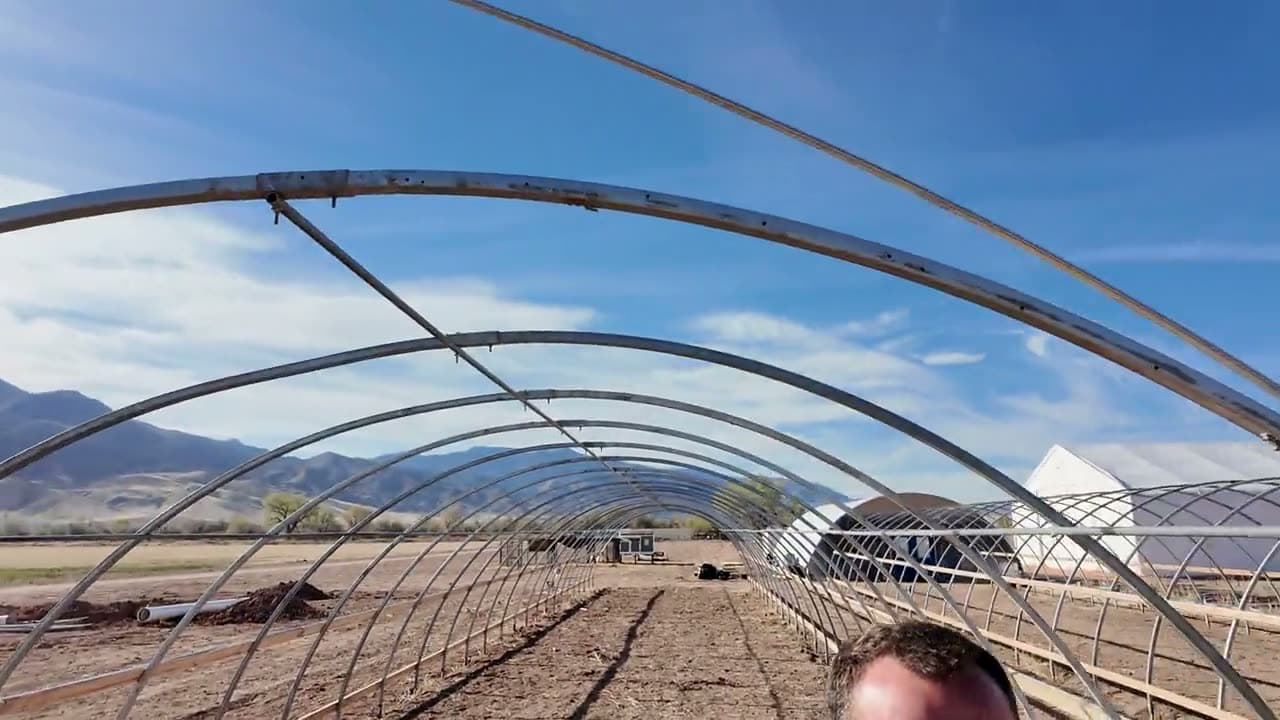
How to Overwinter a Greenhouse (Keep Growing in Winter)
Insulate, heat, select cold-hardy crops, and manage humidity to grow lettuce, kale, and spinach through Utah winter.
TL;DR
- Time: 6 hours setup (one-time)
- Cost: $$
- Yield: Fresh greens November–March
- Difficulty: Intermediate
Supplies
- Insulation: bubble wrap, shade cloth, or rigid foam panels
- Heat source: small electric heater (1500W), heated water barrel, or passive solar (depends on budget)
- Cold-hardy seeds: lettuce (winter varieties), spinach, kale, mâche, arugula
- Soil or potting mix (winter greens like rich, cool conditions)
- Ventilation: hinged vent or roof opener
Tools
- Thermometer (to monitor interior temperature)
- Hygrometer (to monitor humidity)
- Staple gun and staples (for insulation)
- Duct tape (for sealing gaps)
Steps
Seal and insulate the greenhouse
Seal all gaps with caulk or duct tape. On the north and west sides (coldest), add a layer of bubble wrap or shade cloth for insulation. On the south side, keep glazing clear to capture winter sun. Double-layer plastic (air gap between layers) insulates better than single-layer. Your goal: interior temp shouldn't drop below 35°F even on the coldest nights.
Install ventilation
On cloudy winter days, your greenhouse is cold. On sunny days, temps can spike to 80°F inside. Install an automatic vent opener (opens at 75°F, closes when temps drop). Or open manually on sunny mornings, close at night. Good ventilation prevents fungal disease in the cool, humid environment.
Add supplemental heat
Options: (1) Electric heater (1500W, thermostat-controlled) keeps temps at 45–50°F. ($50–100, cheap and effective). (2) Heated water barrel (55-gallon barrel, black, inside the greenhouse—absorbs sun during day, releases heat at night). Passive and free. (3) Propagation heat mat under seedlings. Choose based on budget and commitment level.
Sow cold-hardy crops
Lettuce (winter varieties like 'Winter Density', 'Rouxai', 'Buttercrunch'), spinach, kale, mâche, arugula, Asian greens. Sow in October for November harvests. Sow in November for December/January. Plants grow slowly in winter (low light), so space them generously. Expect harvest 60–90 days after sowing, not the 40 days listed on summer seed packets.
Manage moisture
Winter air is cool and humid. Water less frequently than summer. Check soil daily—it should be moist, not waterlogged. Water in early morning so excess evaporates. High humidity + low temperature = fungal disease. Use the ventilation vent to control humidity. Ideal: 40–60% humidity. Hygrometer ($10) tells you.
Monitor temperature and adjust
Keep a thermometer inside. Ideal range: 45–60°F (cool, but not freezing). If it drops below 35°F regularly, add more insulation or heat. If it spikes above 75°F on sunny days, vent immediately.
Pro Tips
Passive solar (dark barrel, south-facing glazing, good insulation) works in Utah because our winters are sunny. A sunny day heats a greenhouse dramatically; plan to vent.
Winter greens grow slowly but they're incredibly cold-hardy. Kale survives to 20°F. Spinach to 10°F. Don't baby them.
Seed tape (pre-spaced seeds on paper) saves time and ensures proper spacing. Make your own or buy commercial.
Mulch the floor with straw or compost. It insulates the soil and makes cleanup easier.
Don't fertilize winter crops heavily. They grow slowly and don't need much nitrogen. One feeding with half-strength liquid fertilizer is plenty.
Warnings
Overheating is as dangerous as freezing. Close vents late, open early. On a sunny 50°F day, interior temps can hit 100°F in 2 hours.
Damping-off fungal disease thrives in cool, humid, stagnant air. Ventilate on warm days and space plants widely for air movement.
Research & Sources
- Year-Round Greenhouse Production for Utah
Dr. Dan Drost, USU Extension Horticulture (2024) - Cold-Hardy Crops and Winter Growing
Dr. Heidi Kratsch, USU Extension (2023) - Greenhouse Environmental Control
Utah State University Extension (2024) - Sevier County Winter Gardening
Sevier County Extension (2023)
Frequently Asked Questions
Do I really need to heat a greenhouse in winter?
Not if you're only growing extremely cold-hardy stuff (kale, spinach, mâche). But below 35°F, growth stops. Heat speeds things up. Decide based on what you want to grow and your budget.
What's the difference between a greenhouse and a cold frame?
Greenhouses are larger and usually heated. Cold frames are small, passive solar. Both work for winter growing; greenhouses let you grow more.
Can I use a greenhouse for summer vegetables too?
Yes, but you need serious ventilation and shading (30–50% shade cloth) or temps will exceed 100°F and kill plants. Summer greenhouse growing is advanced. Most people focus on spring, fall, and winter.
How much electricity does a 1500W heater use?
Running continuously, about 36 kWh/month ($4–5 depending on your rate). Most thermostats cycle on/off, so actual usage is less. It's a small cost for fresh winter greens.