
Grow Guides · April 28, 2026
Utah Stone Fruit: Growing Apricots, Peaches, Plums, and Cherries
Navigating chill hours and frost dates to grow fruit that actually ripens
Utah Stone Fruit: Growing Apricots, Peaches, Plums, and Cherries
Stone fruits—apricots, peaches, plums, cherries—embody summer. Warm days, sweet juice running down your chin, the smell of ripe fruit. But growing them in Utah requires understanding how the climate works and choosing varieties that actually fit it.
The challenge: Utah winters are cold enough to satisfy chill hour requirements, but our spring is unpredictable. Flowers appear early, then freeze. Fruit never develops. Or the tree thrives in a good year and dies in a bad one.
The solution: choose hardy varieties, understand chill hours, and accept that some years you won't get fruit.
Understanding Chill Hours
Stone fruits need cold. Not just "frost" cold, but sustained temperatures below 45°F during winter dormancy. The number of hours below that threshold is called chill hours. Most varieties need 300–1000 hours.
Sevier County gets roughly 800–1000 chill hours annually, which is ideal for most stone fruits. Higher elevation areas (Panguitch, Cedar Breaks) exceed 1000 hours. Lower elevation areas (St. George, Moab) fall short, and some varieties won't break dormancy properly.
Apricots: The Gamble
Apricots bloom early—sometimes by mid-April. This is a problem because Utah springs are not to be trusted. A beautiful April day followed by a hard freeze in May means no apricots that year.
If you want to try apricots, go with late-blooming varieties like Harcot or Moorpark. They flower slightly later than others, improving your odds. Even then, expect some years with no fruit.
When they do produce, apricots are worth the heartbreak. Fresh apricots are transcendent. One good harvest makes all the years of disappointment vanish.
Peaches: More Forgiving
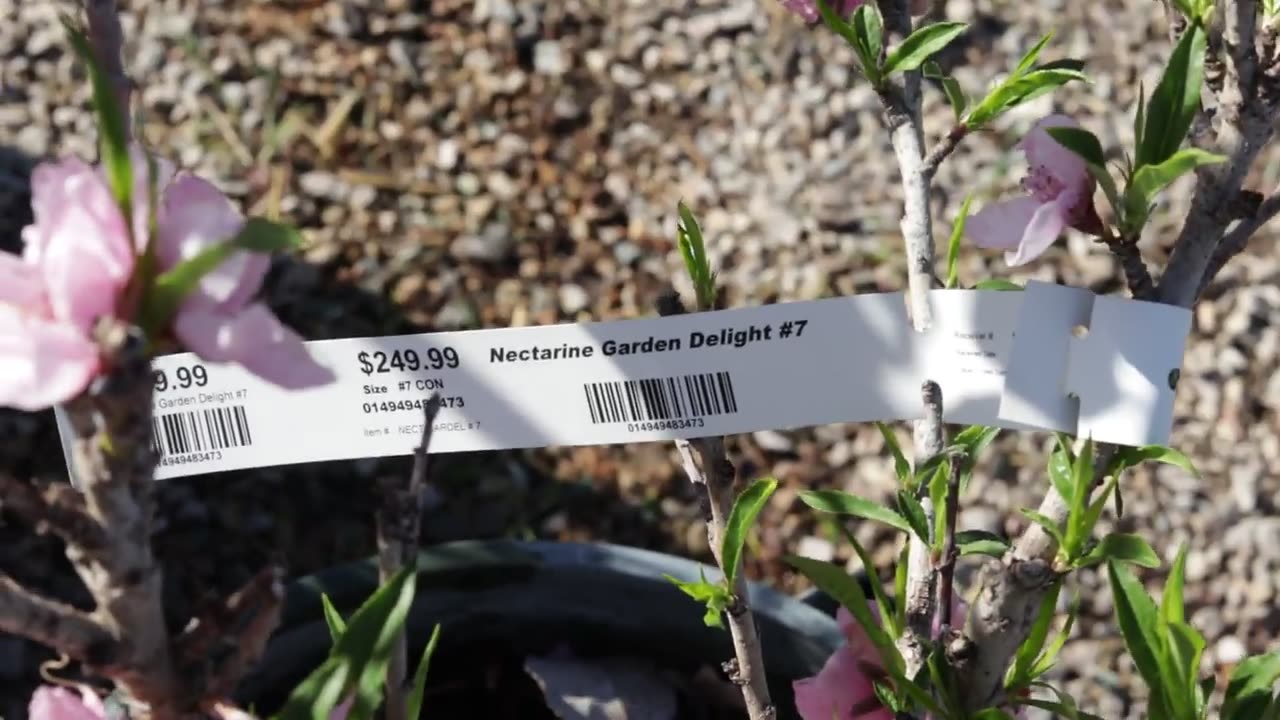
Peaches flower a week or two later than apricots, which improves odds. Varieties like Contender (zone 4), Reliance, and Elberta handle Utah's variables well. They're more forgiving of spring freezes and produce more reliably.
They also benefit from annual pruning. In late winter, thin out crowded branches to 6–12 inches apart. This seems drastic, but it produces better fruit and improves air circulation.
Plums: The Reliable Option
Japanese plums (Santa Rosa, Methley) are more ornamental and productive. European plums (Damson, Greengage) are hardier and taste better for fresh eating, though they're slower to fruit.
Pro tip: plant at least two plum trees for cross-pollination. You'll get better fruit set and bigger harvests.
Cherries: Sweet or Tart
Sweet cherries (Bing, Napoleon) are gorgeous but fussy. They're prone to cracking when it rains just before harvest and susceptible to brown rot. Tart cherries (Montmorency, Early Richmond) are hardier, less disease-prone, and excellent for pies and preserves.
If you try sweet cherries, plant under eaves to protect from rain and be vigilant about fungal issues.
Planting and Care
Plant in early spring (March–April) or fall (September–October) in full sun. Dig a hole twice the width of the root ball and at the same depth. Backfill with your native soil (don't amend heavily). Water deeply and mulch.
First-year care: water consistently (1 inch per week) and prune to a single central leader or open vase form. Don't let them fruit the first couple of years—remove flowers to encourage root and branch development.
Common Issues
Brown rot, blossom blight, and shot hole disease are fungal problems in humid springs. Improve air circulation, remove infected branches promptly, and avoid wetting foliage.
Aphids and spider mites appear mid-summer. Hand-spray with water first, then use neem oil if infestations are heavy.
For variety recommendations specific to your location and elevation, consult USU extension materials.
Utah State University Cooperative Extension — Dr. Ryan Larsen (2023)
Utah stone fruit is absolutely possible. It requires the right varieties, realistic expectations, and the acceptance that some years nature will disappoint. But when you bite into a peach or plum you've grown yourself, all that waiting becomes worthwhile.