Animal Stories · April 28, 2026
Lambing Season Field Diary: March Madness
Three weeks of sleepless nights and newborn magic
The Three Weeks That Define Everything
March on a sheep farm is different. Your world shrinks to a barn, three hundred ewes, and 2-hour sleep cycles. Lambing season determines your entire year. Get it right, and you've got profit. Mess it up, and you're screwed until next cycle.
Day 1-3: The Waiting
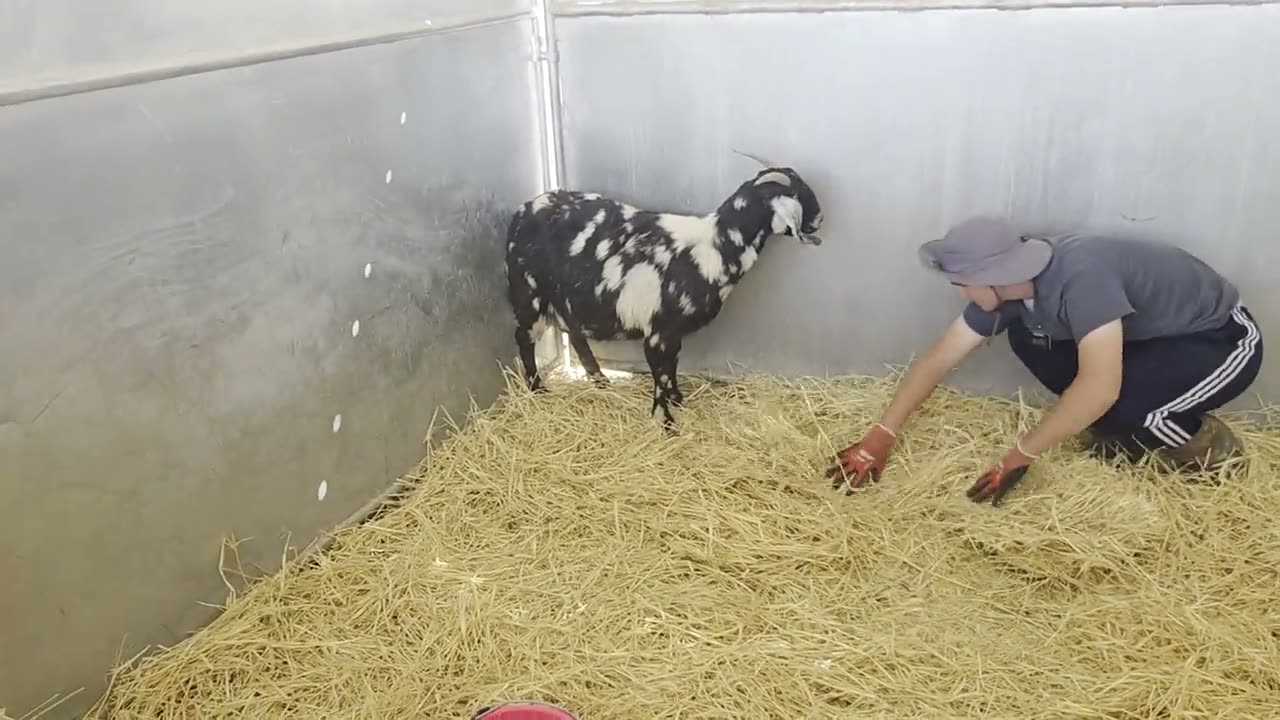
March 1st. The first ewe shows signs: pacing, nesting, udder development. By March 2nd, we have our first labor. By March 3rd, we have twelve lambs. The barn smells like birth and straw.
I sleep in the barn. Literally. A cot in the corner. Every two hours I wake, check the ewes, watch for complications, assist if needed. It's obsessive and necessary. A ewe in distress can lose lambs in minutes.
Day 4-7: The Cascade
By day four, we have forty lambs. Day seven: ninety. The barn is chaos. New mothers don't recognize lambs. Lambs lose mothers. Orphans cry all day. We're bottle-feeding, which means every three hours for two weeks.
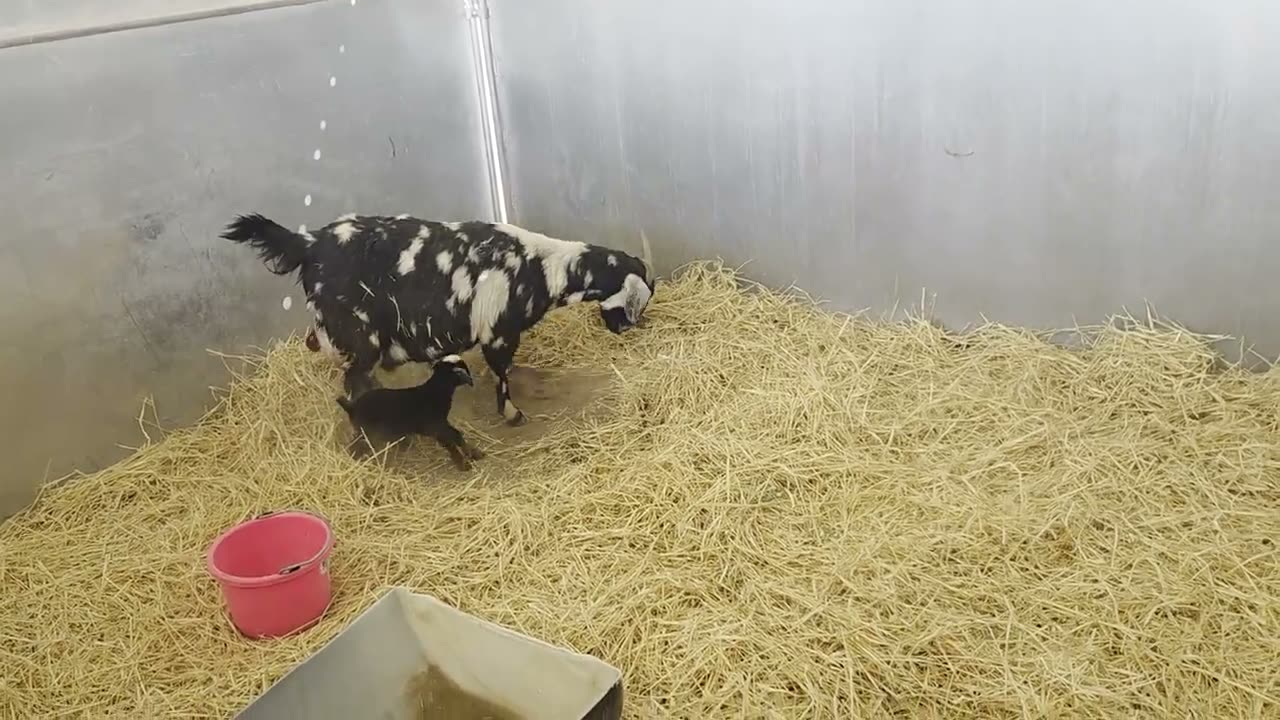
We tag each lamb, record births, vaccinate, assist with nursing issues. By now I haven't slept more than ninety minutes at a stretch. I'm functioning on adrenaline and coffee.
Day 8-14: Complications
Day ten: a ewe has twin lambs but only one working teat. Day eleven: a lamb has a twisted leg and can't stand. Day twelve: we lose a ewe to complications. We call the vet. We make decisions. Some lambs we can save. Some we can't.
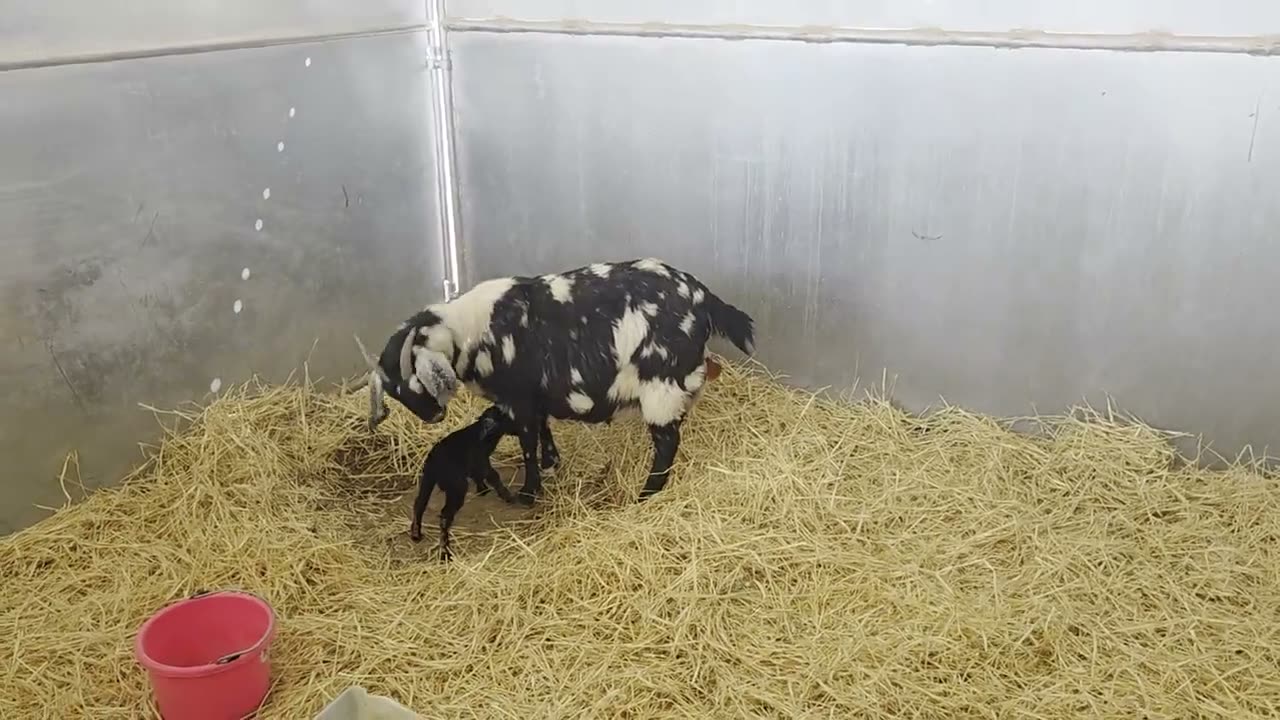
We move lambs to specialized care pens. Some require feeding every two hours. Some need antibiotics. By day fourteen, we have 250 lambs. I haven't slept properly in two weeks. I'm hallucinating.
Day 15-21: The Home Stretch
Most ewes are done. The stragglers are laboring. We have 290 lambs. Survival rate is 96%, which is exceptional. The barn quiets down. Lambs are stronger, nursing consistently. We can finally do two-hour sleep cycles instead of constant vigilance.
The Death Part
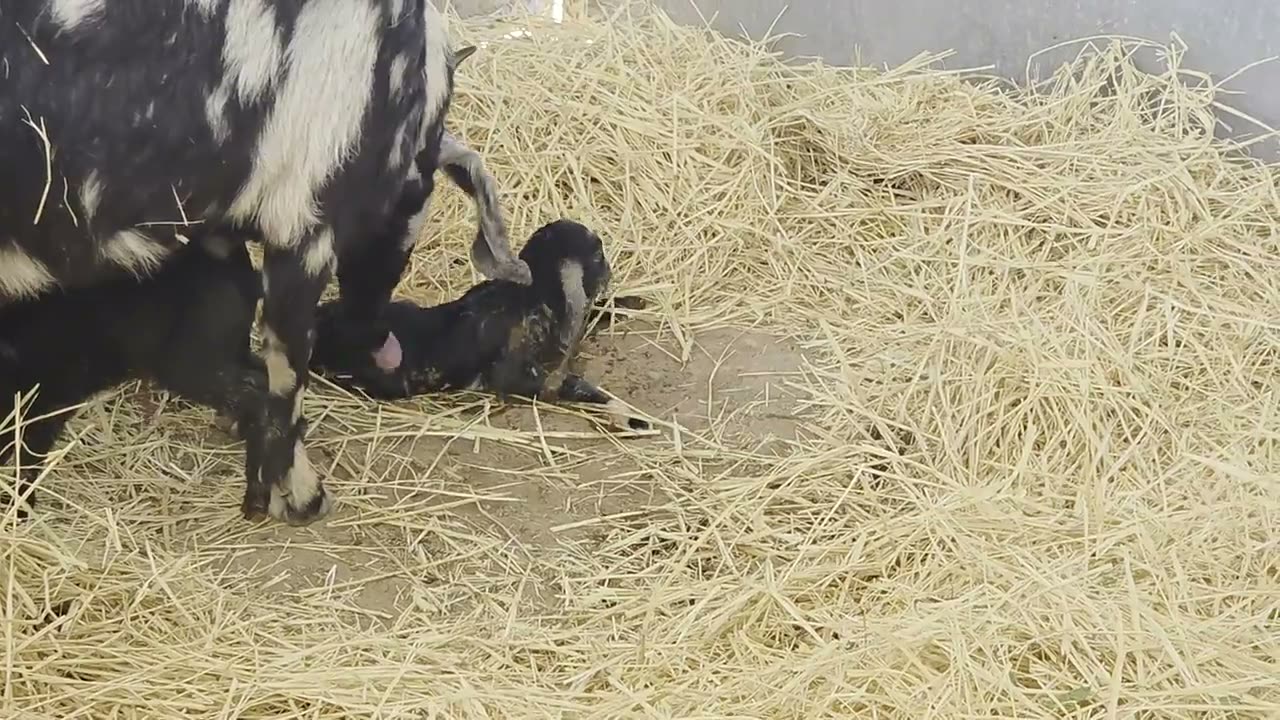
I need to be honest: lambing kills things. We lost 12 lambs this season. One ewe died delivering triplets. Infection, genetic defects, birthing complications—some are preventable, some aren't. I have a specific grieving process: remember the animal, document what happened, learn from it.
Lambing mortalities under 5% are acceptable in commercial operations. Minimizing loss requires monitoring, intervention capability, and sometimes, acceptance that some animals will not survive.
Utah State University Extension Sheep Reproduction — Dr. Brent Black (2024)
The Numbers
Spring 2025 Results
Ewes: 310. Lambs born: 480 (1.55 lambs per ewe). Lambs alive: 468. Mortality: 2.5%. Revenue: $32,400.
Next Year
We're adjusting genetics to reduce triplet births (higher mortality). We're expanding the lambing barn (more space = less stress). We're hiring help (I cannot do this alone again).
Lambing season separates farmers from people who think they're farmers. It's brutal and beautiful in equal measure.
See the whole process in our video documentation.